




Topics

<> machine learning (115)
<> sensors (98)
<> electrical engineering (88)
<> robotics (66)
<> artificial intelligence (52)
<> IoT (51)
<> Computer Vision (48)
<> Signal processing (48)
<> photonics (45)
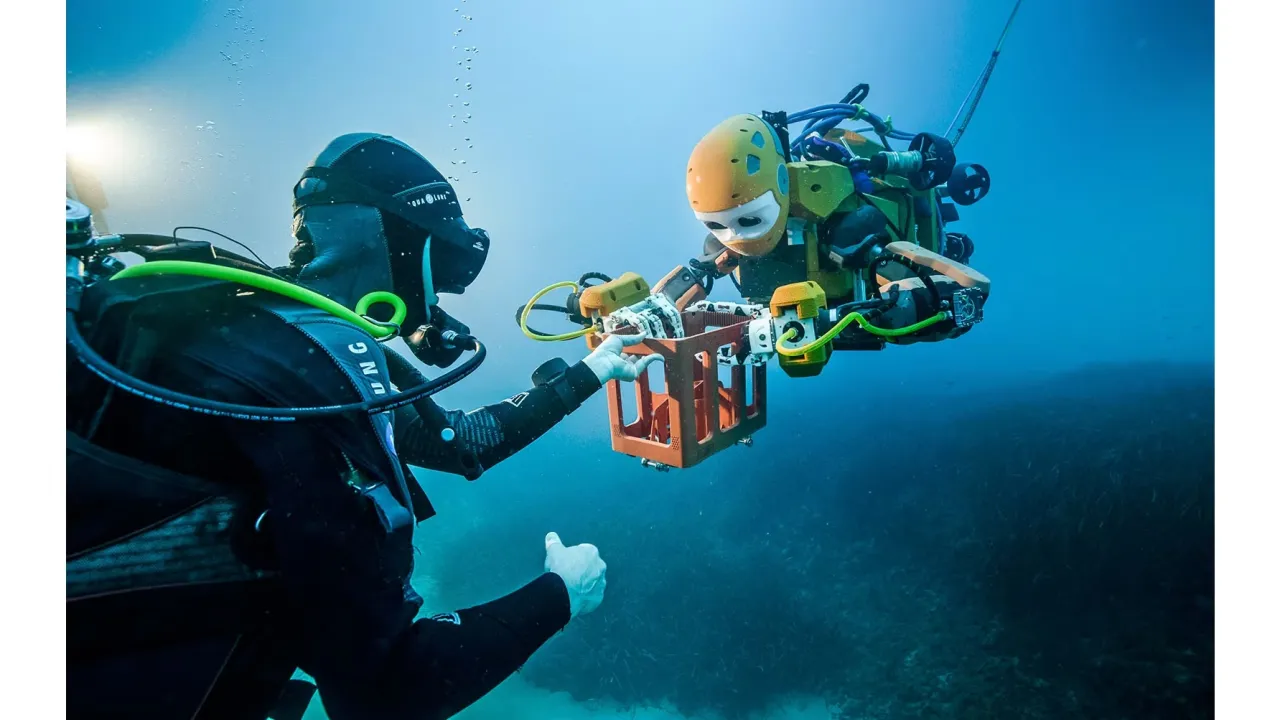
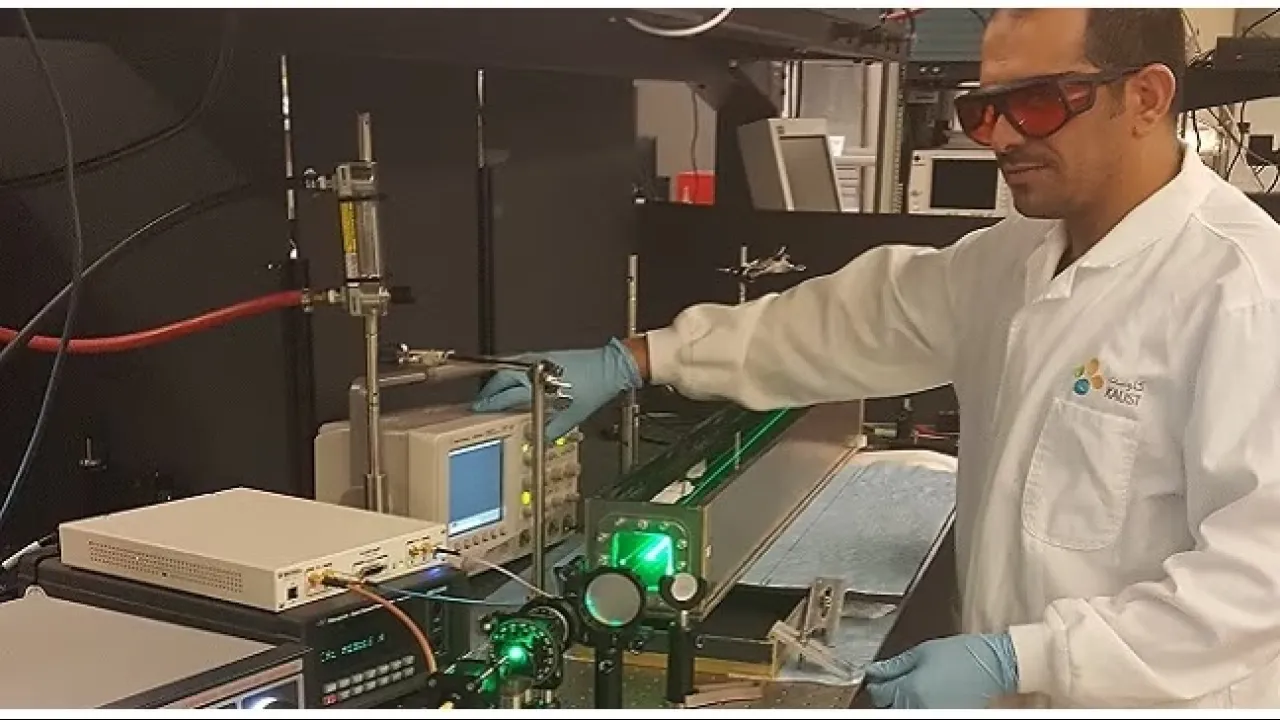
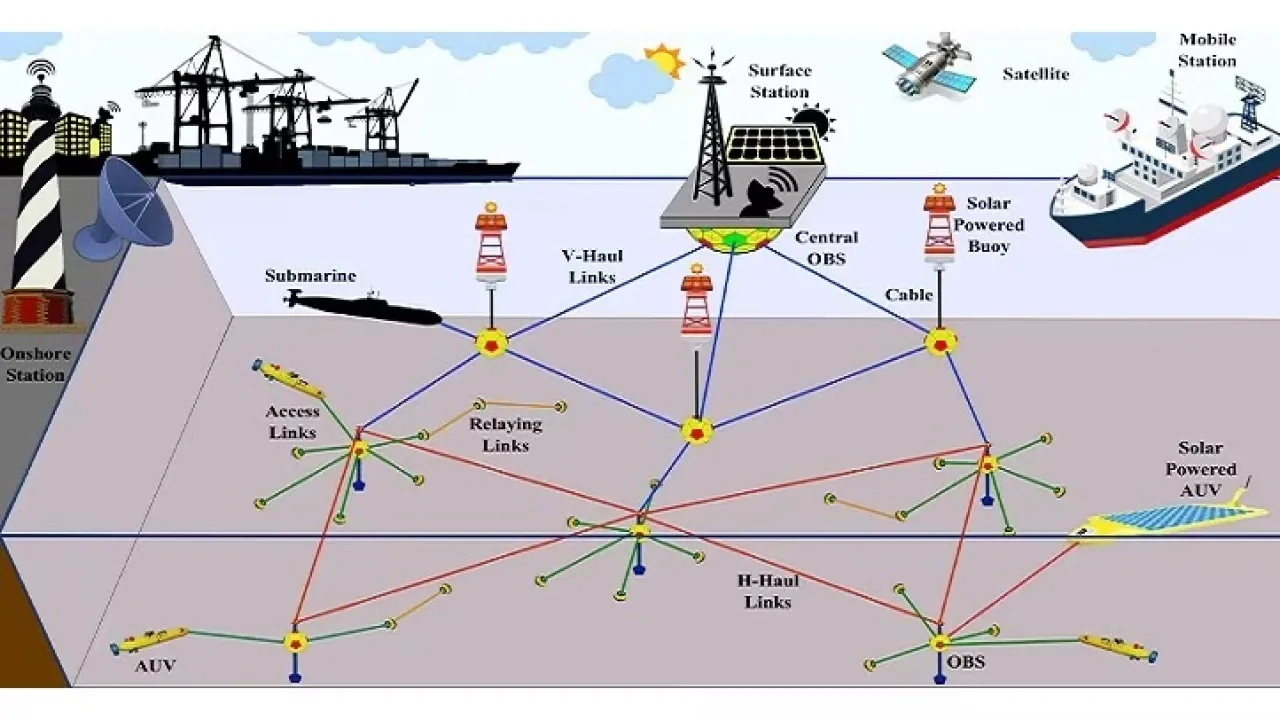
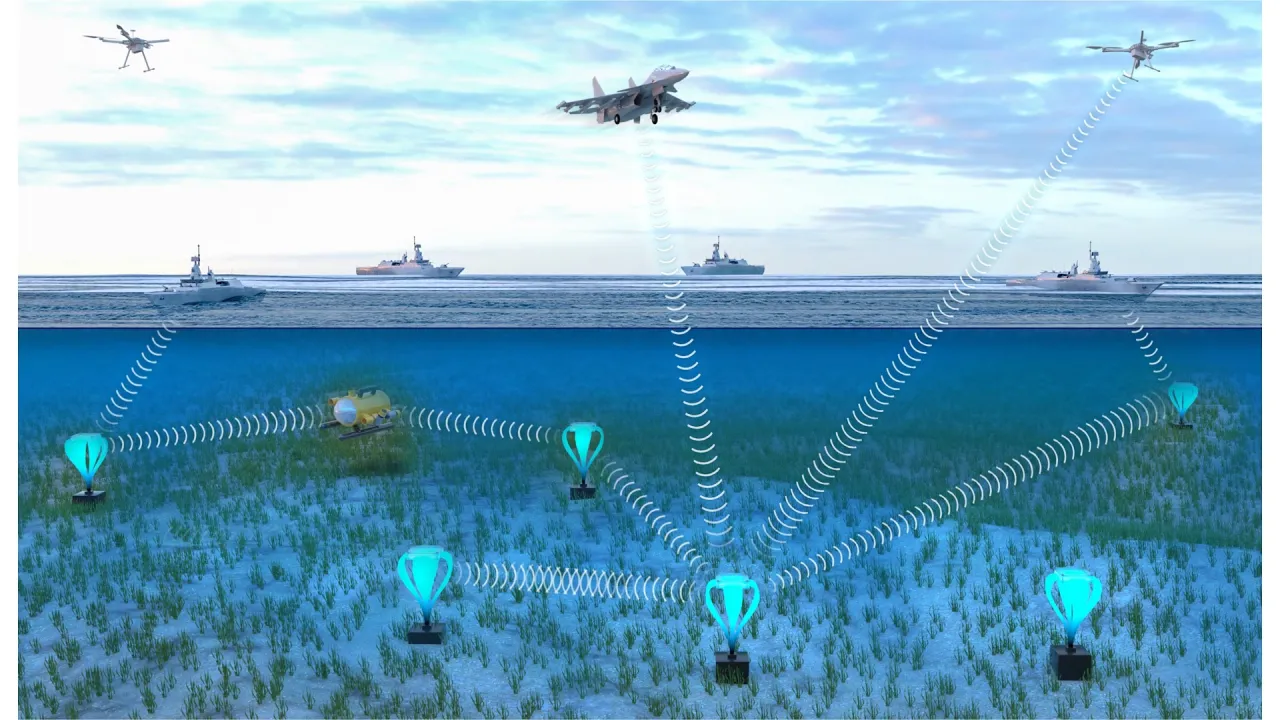
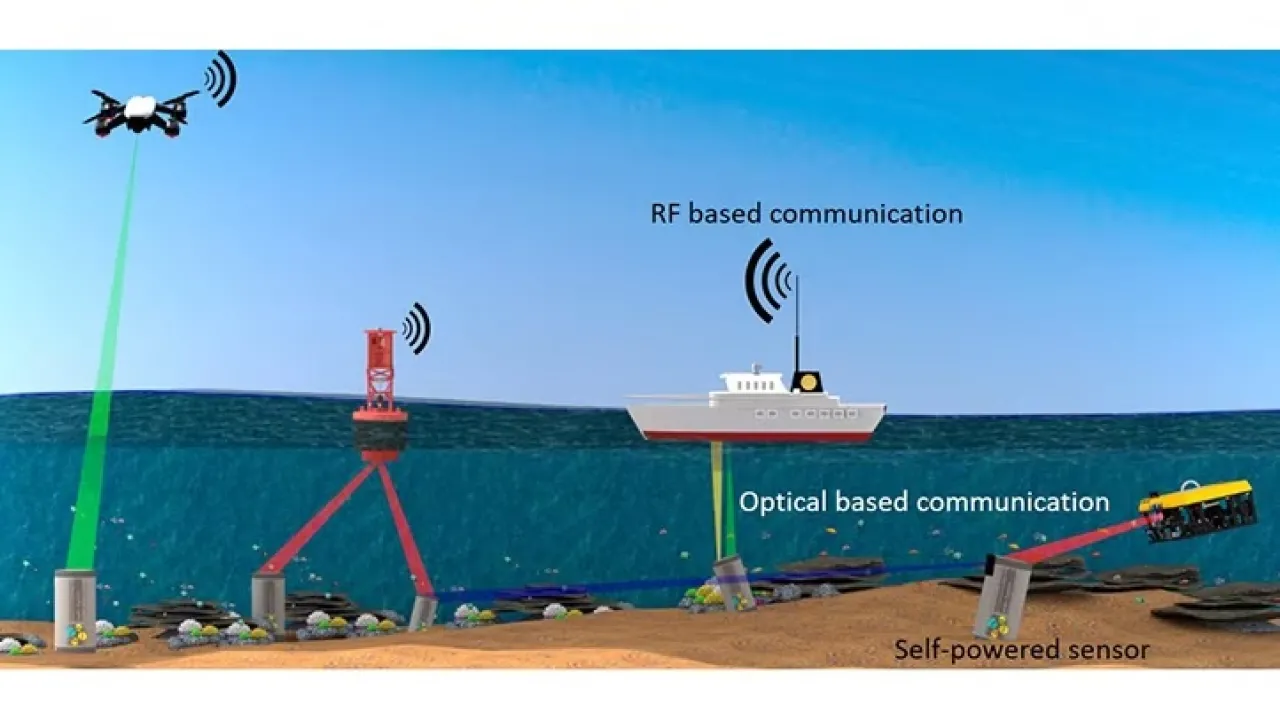
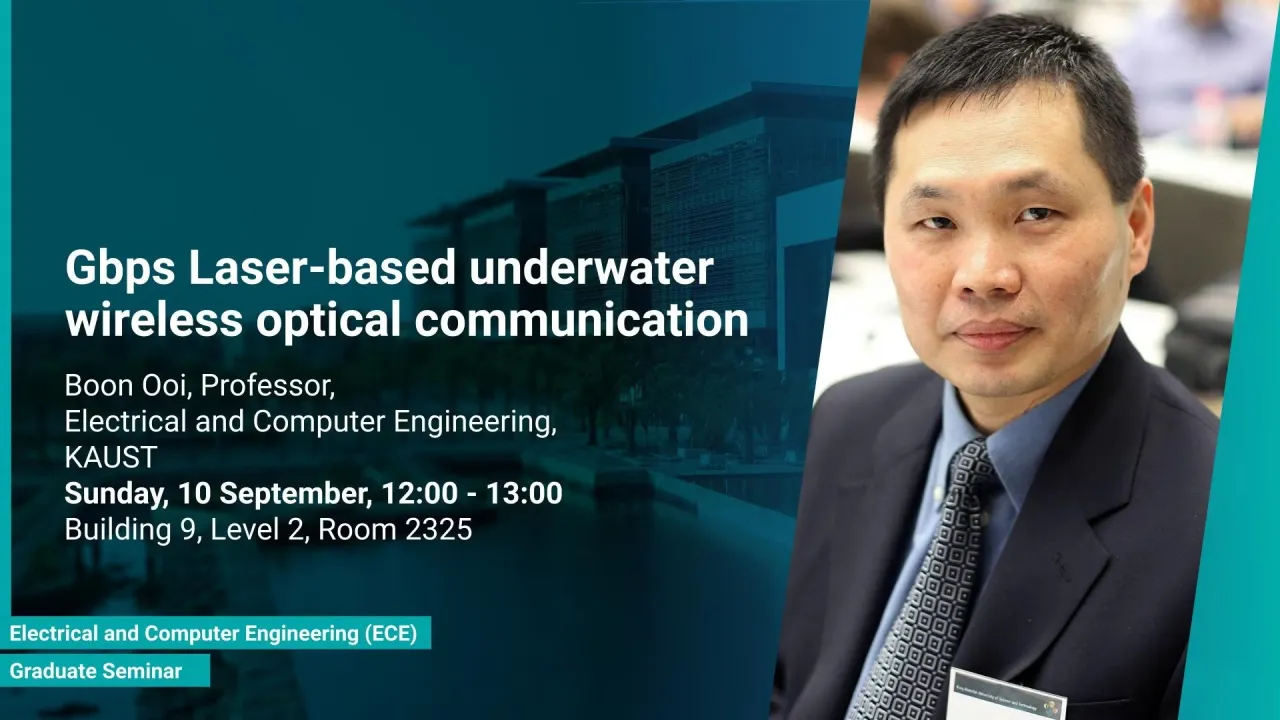
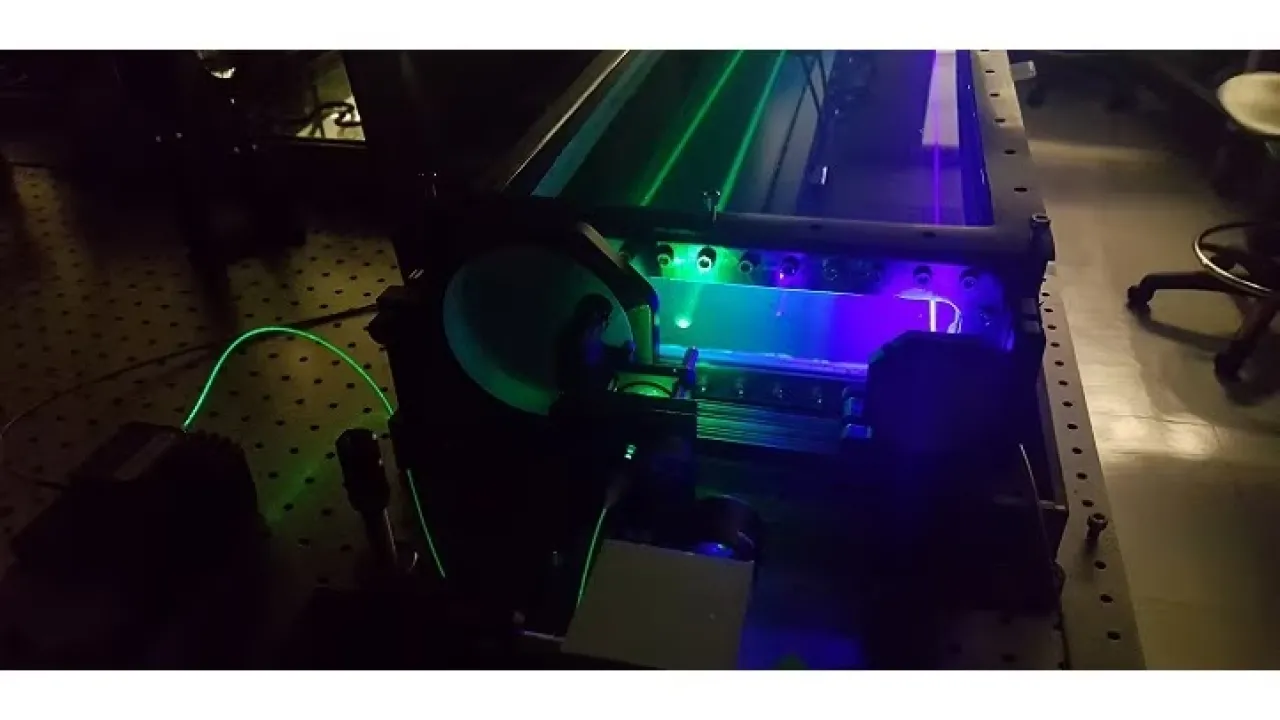
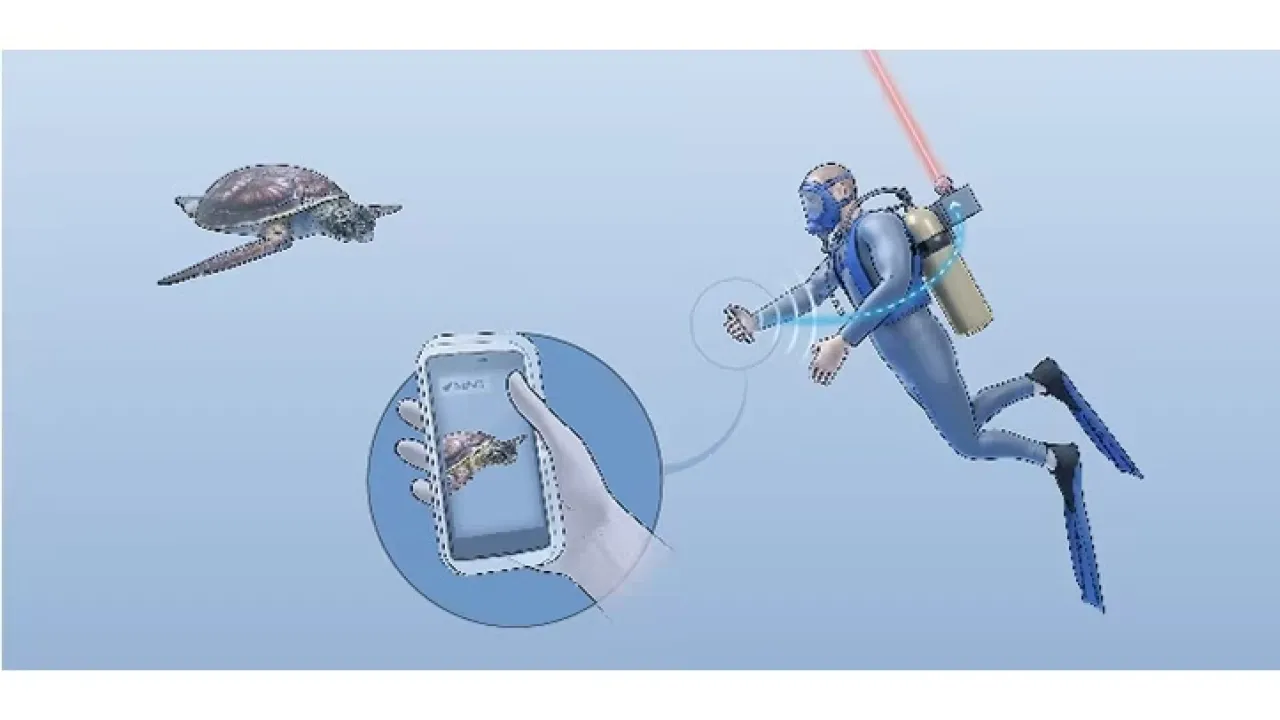
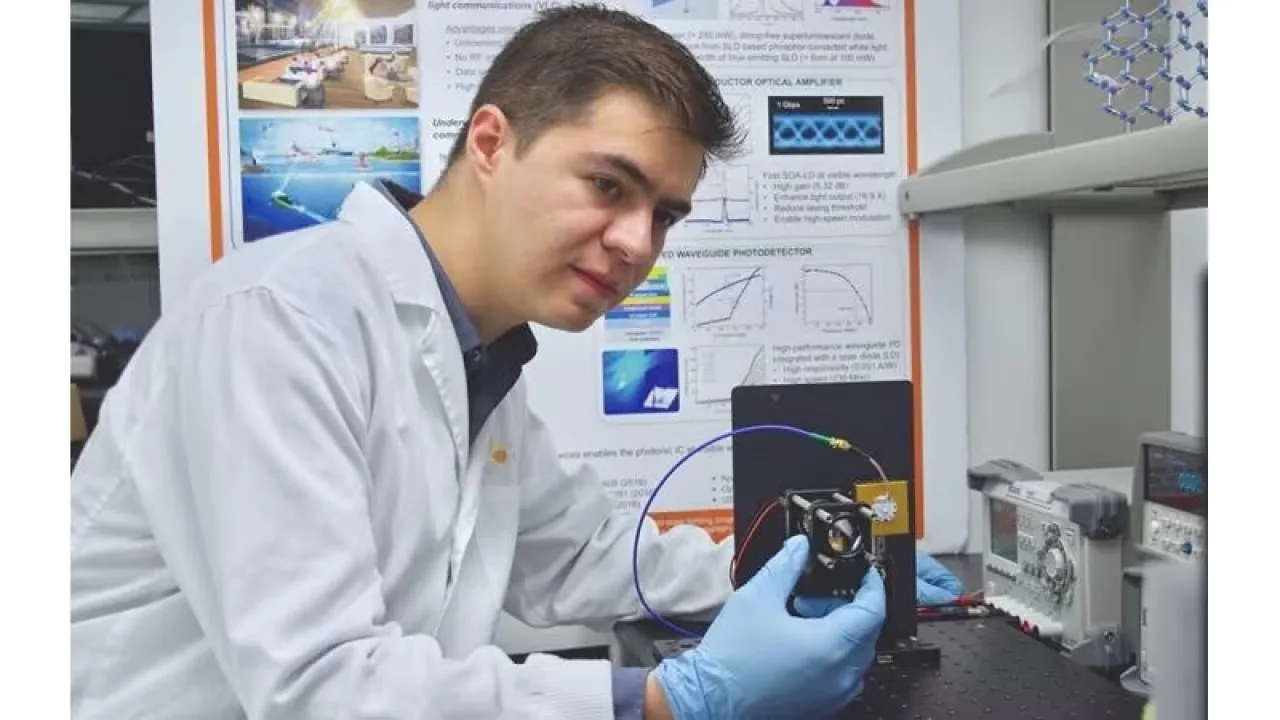
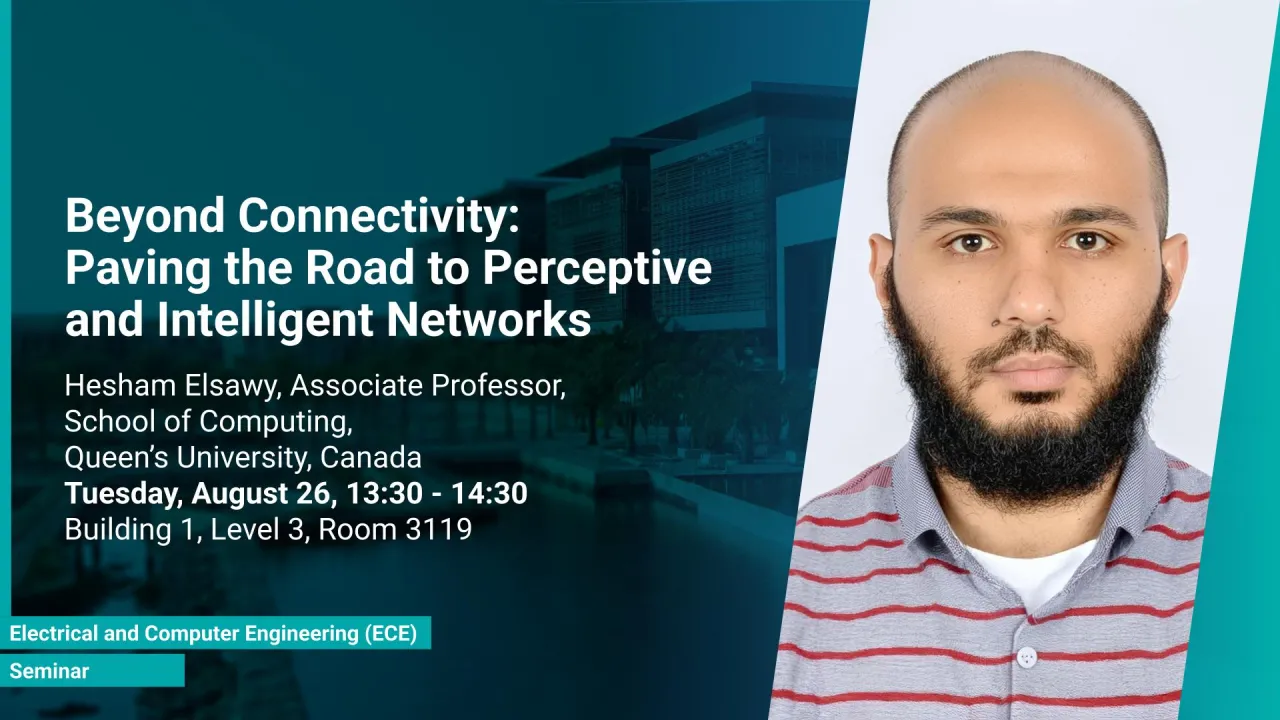
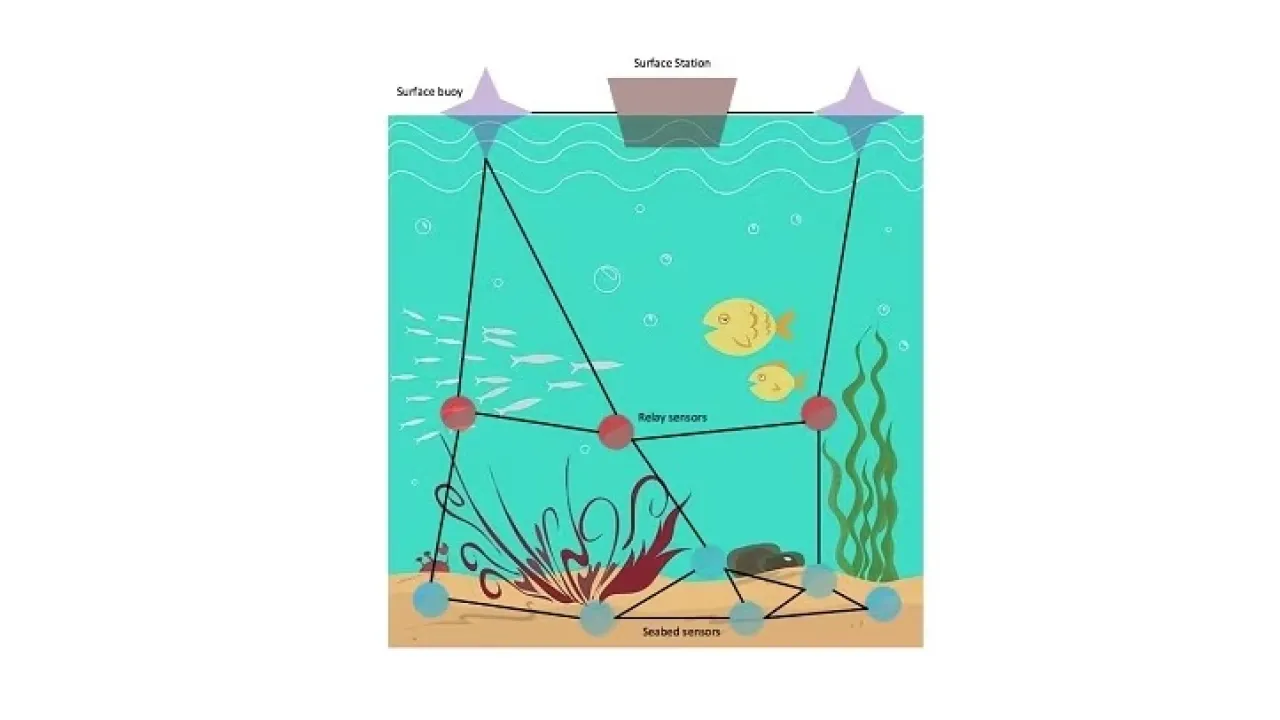
Underwater wireless optical communication (UWOC) has attracted increasing interest for data transfer in various underwater activities, due to its order-of-magnitude higher bandwidth compared to conventional acoustic and radio-frequency (RF) technologies. Our studies pave the way for eventual applications of UWOC by relieving the strict requirements on PAT using UV-based NLOS. Such modality is much sought-after for implementing robust, secure, and high-speed UWOC links in harsh oceanic environments. This work was first started with the investigation of proper NLOS configurations. Path loss (PL) was chosen as a figure-of-merit for link performance. The effects of NLOS geometries, water turbidity, and transmission wavelength are evaluated by measuring the corresponding PL. The experimental results suggest that NLOS UWOC links are favorable for smaller azimuth angles, stronger water turbidity, and shorter transmission wavelength, as exemplified by the use of 375-nm wavelength. With the understanding of favorable NLOS UWOC configurations, we established a NLOS link consisting of an ultraviolet (UV) laser as the transmitter for enhanced light scattering and high sensitivity photomultiplier tube (PMT) as the receiver. A high data rate of 85 Mbit/s using on-off keying (OOK) in a 30-cm emulated highly turbid harbor water is demonstrated. Besides the underwater communication links, UV-based NLOS is also appealing to be the signal carrier for direct communication across wavy water-air interface. The trial results indicate link stability, which alleviates the issues brought about by the misalignment and mobility in harsh environments, paving the way towards real applications.
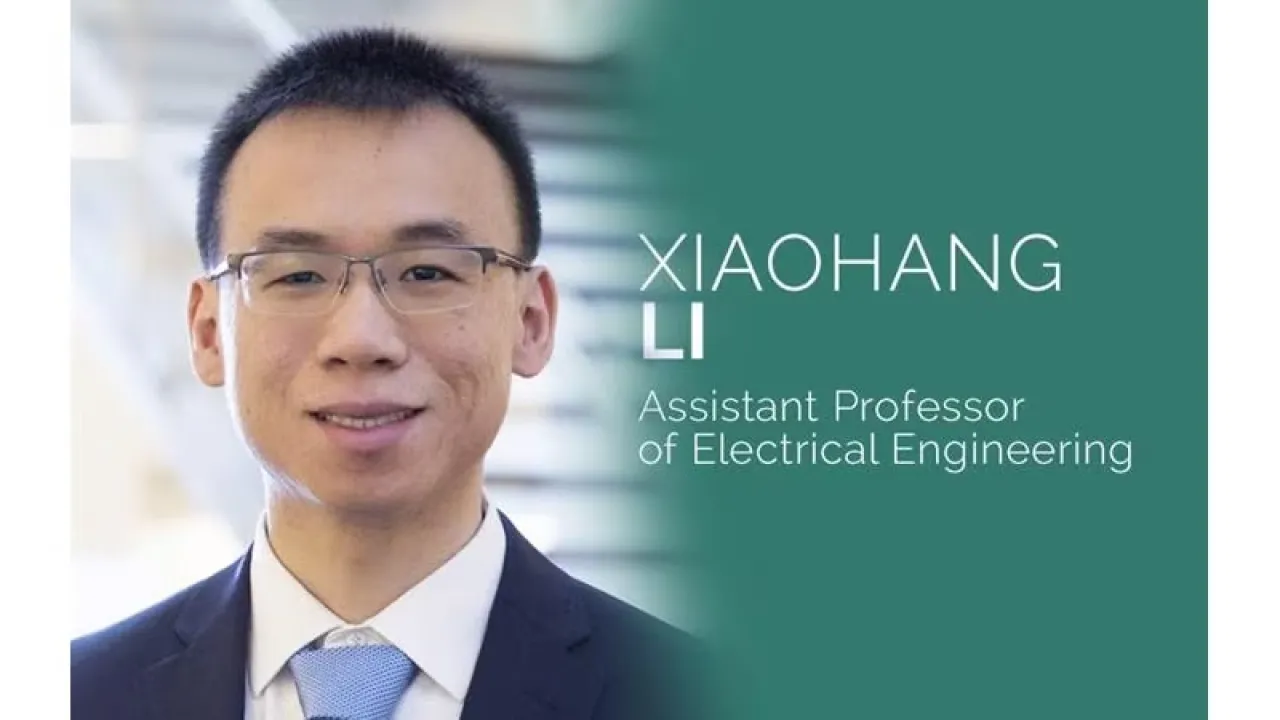
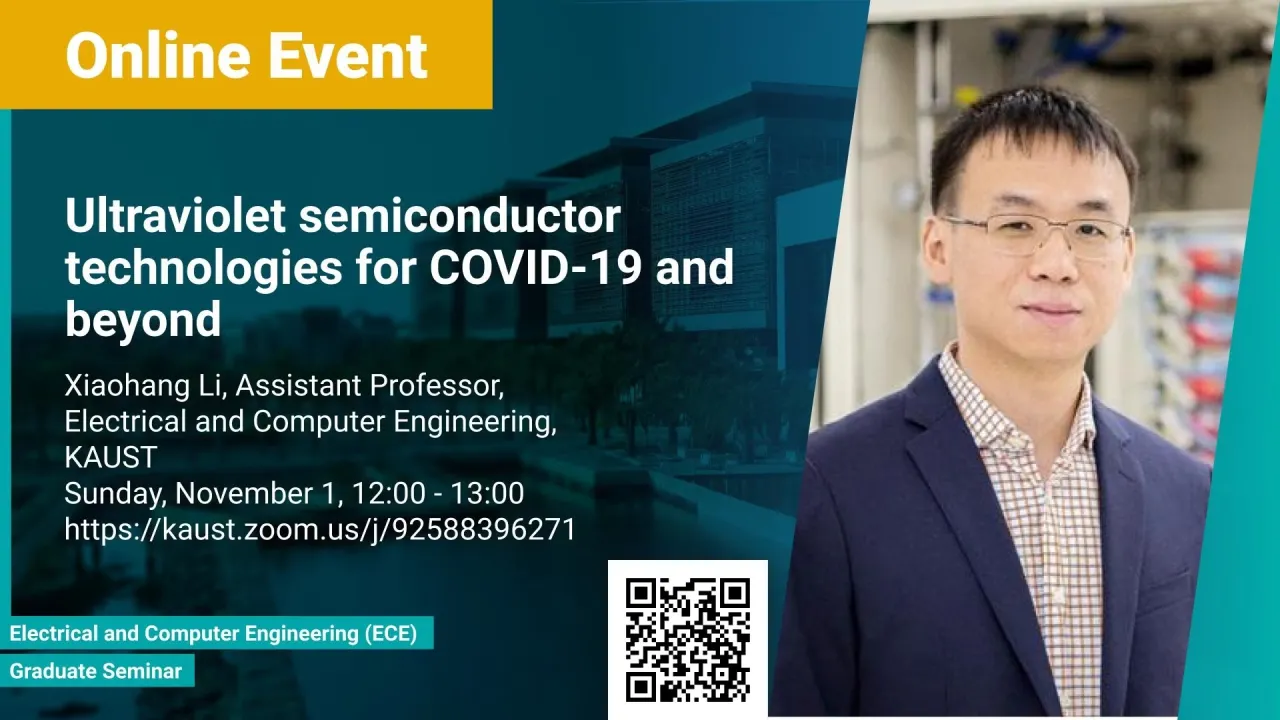
The fourth wave: ultrawide bandgap compound semiconductors for photonics and electronics

Xiaohang Li, Assistant Professor, Electrical and Computer Engineering

-

KAUST

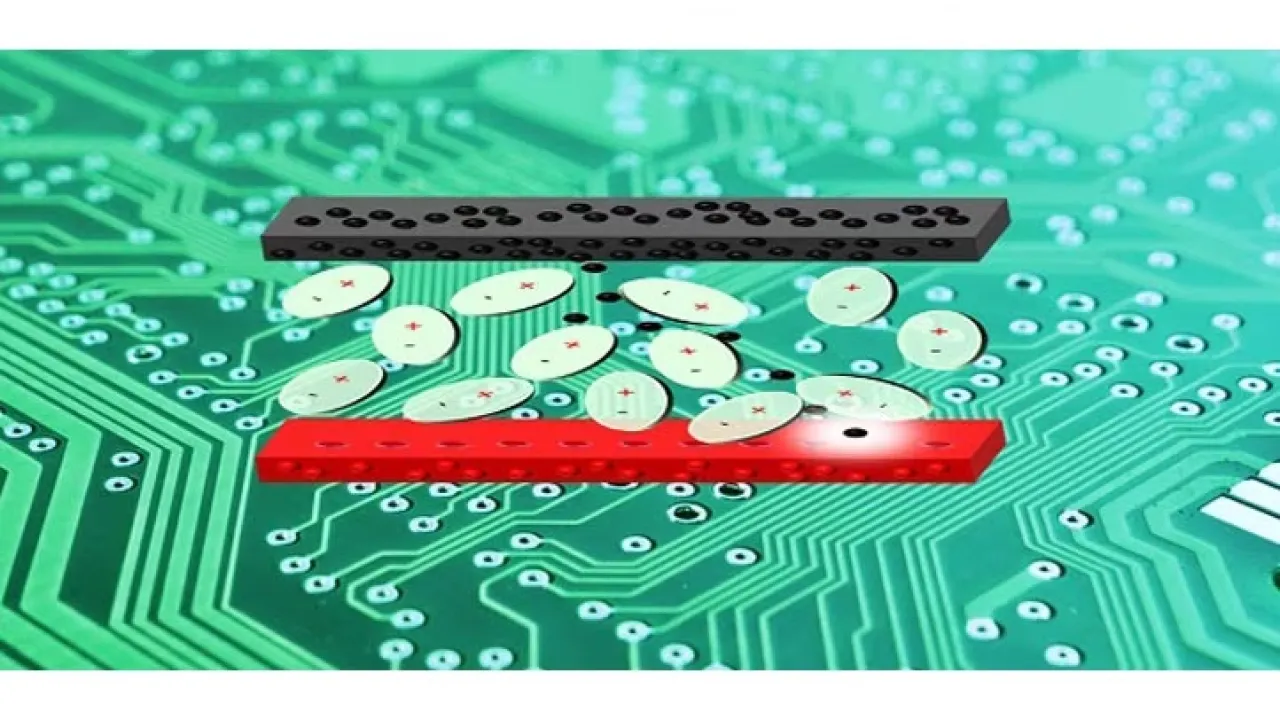
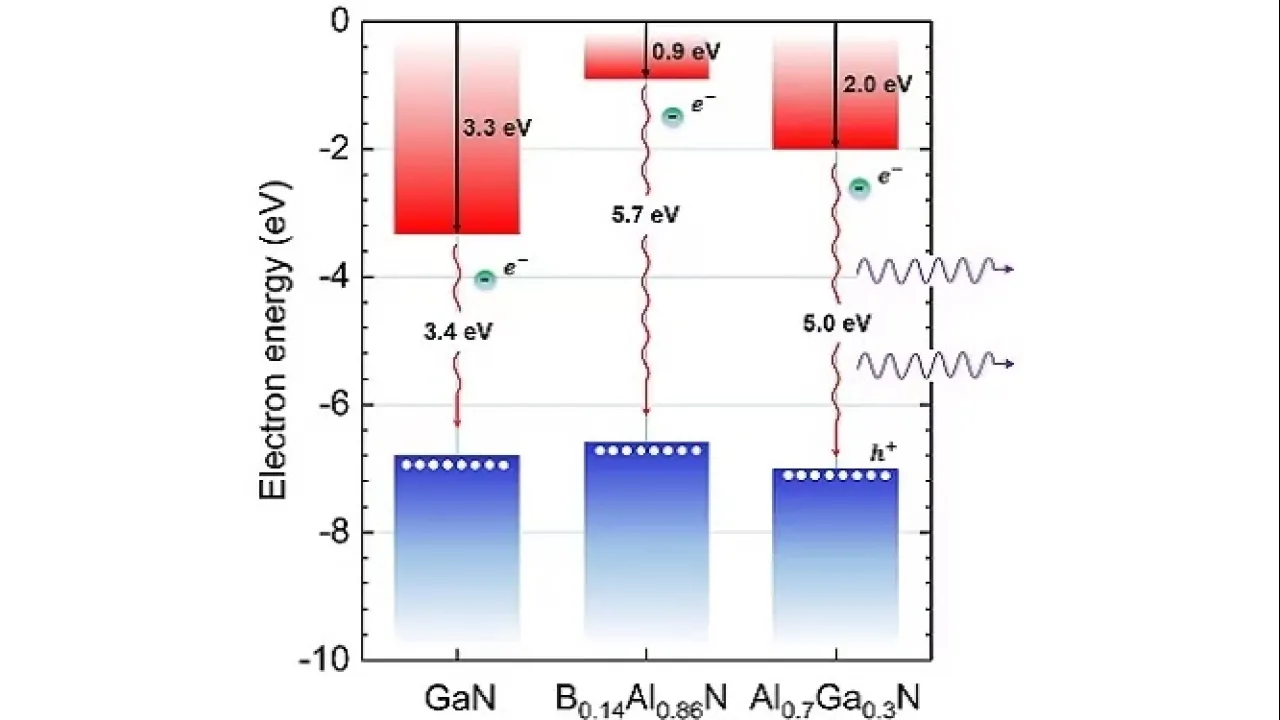
Wide bandgap (WBG) compound semiconductors including GaN have shown enormous success in solid-state lighting, display, and electrification in recent decades due to superior properties such as direct bandgap, high electron mobility, and large breakdown field. They have been changing the world by elevating living standards and addressing grand challenges such as global warming. The pioneering researchers have been recognized by numerous accolades including the Nobel Prize and most recently, the Queen Elizabeth Prize. Lately, the III-nitride and III-oxide ultrawide bandgap (UWBG) compound semiconductors with bandgap larger than 3.4 eV have attracted increasing attentions: they have been regarded as the 4th wave/generation after the consequential Si, III-V, and WBG semiconductors. Because the UWBG along with other properties could enable electronics and photonics to operate with significantly greater power and frequency capability and at much shorter far−deep UV wavelengths, respectively, both crucial for human society. Besides, they could be employed for the revolutionary quantum information science as the host and photonic platform. However, extensive multi-disciplinary studies of growth, materials, physics, and devices are essential to unearth the potentials due to the infancy. This seminar would cover the latest research on those aspects. It includes growth of state-of-the-art materials, discovery of unique material properties, and development of a widely adopted device physics framework for photonics and electronics especially short and long wavelength photonic devices.
<> Deep learning (43)
<> Wireless Communications (34)
<> control systems (32)
<> energy harvesting (31)
<> intelligent systems (31)
<> communications (29)
<> optoelectronics (29)
<> Biosensors (26)
<> Stochastic Geometry (26)
<> electronics (24)
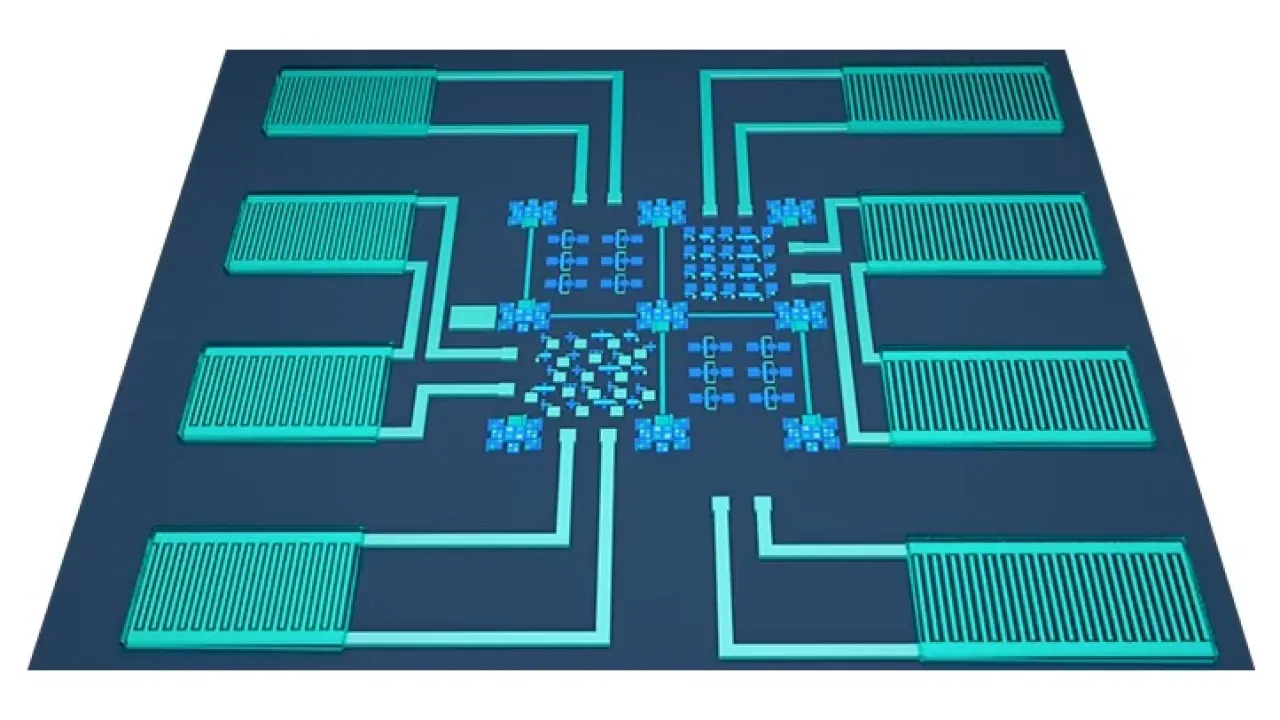
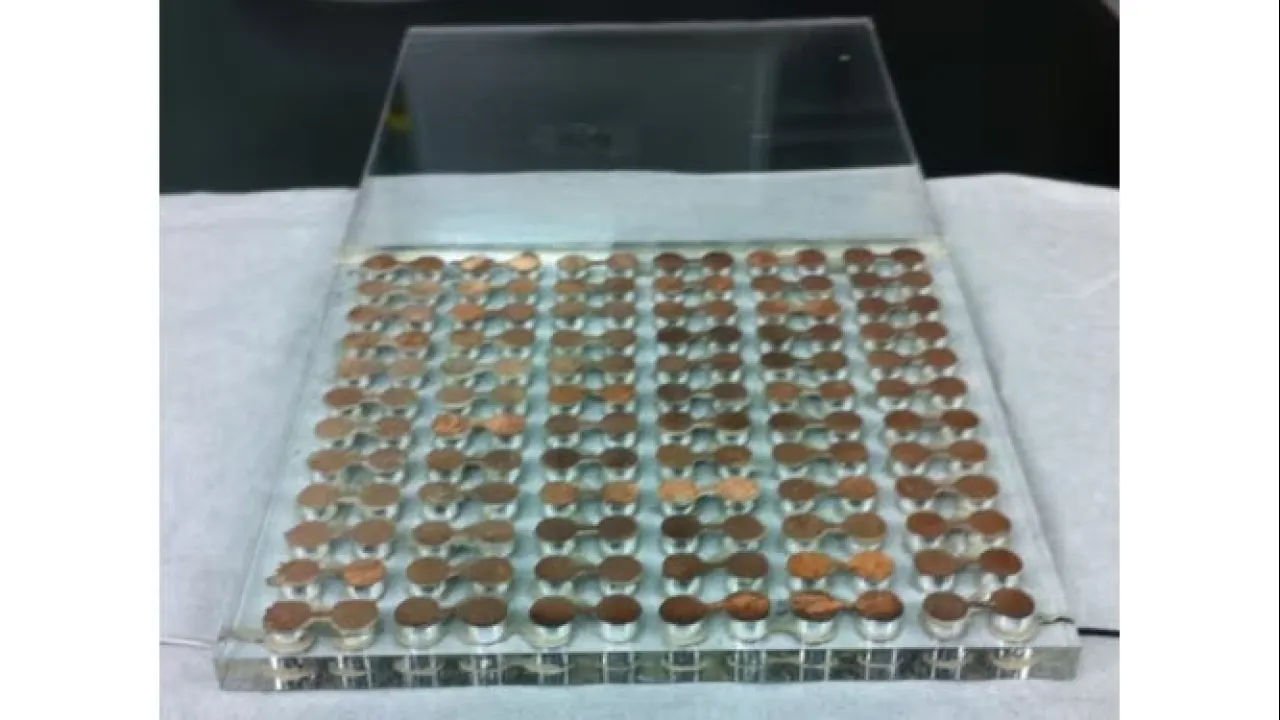
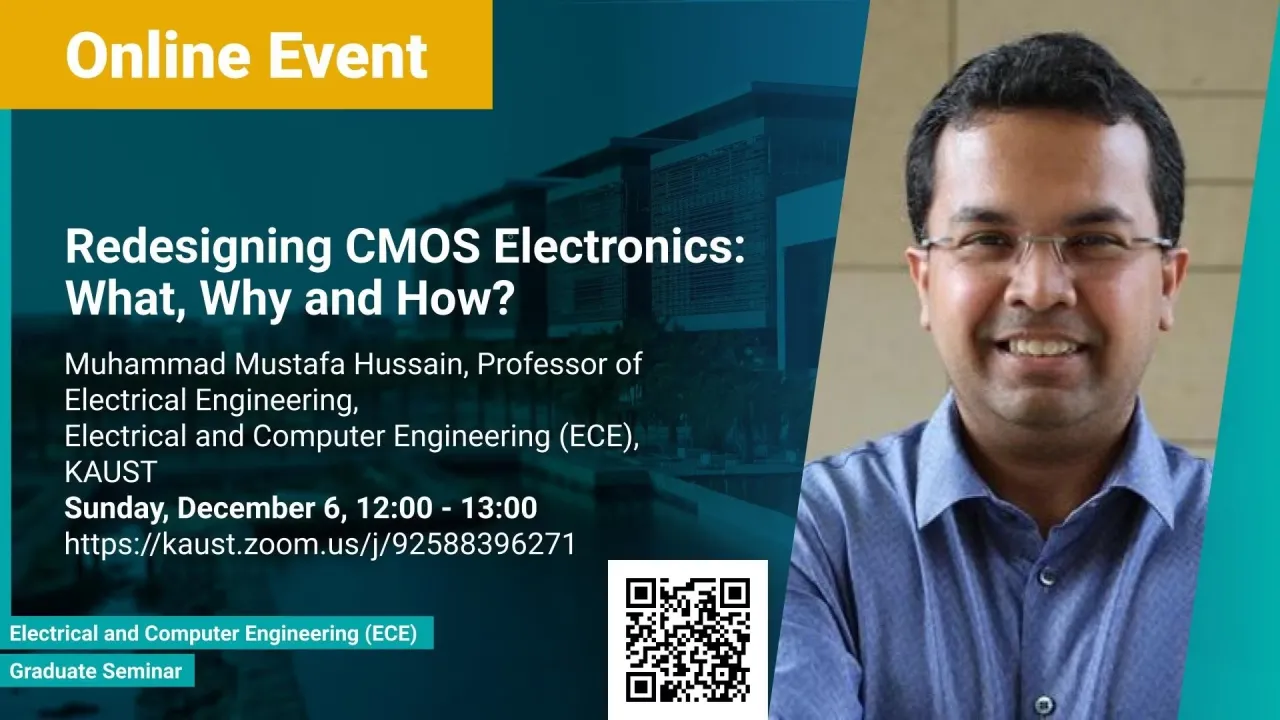
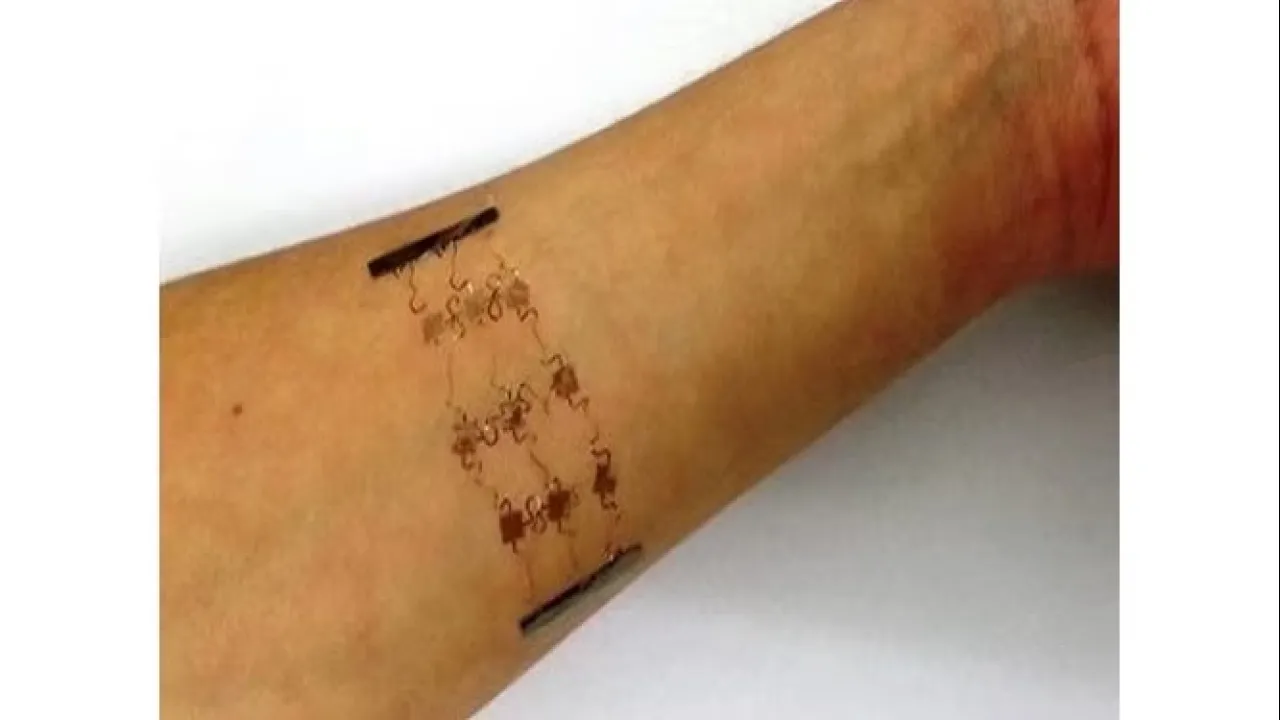
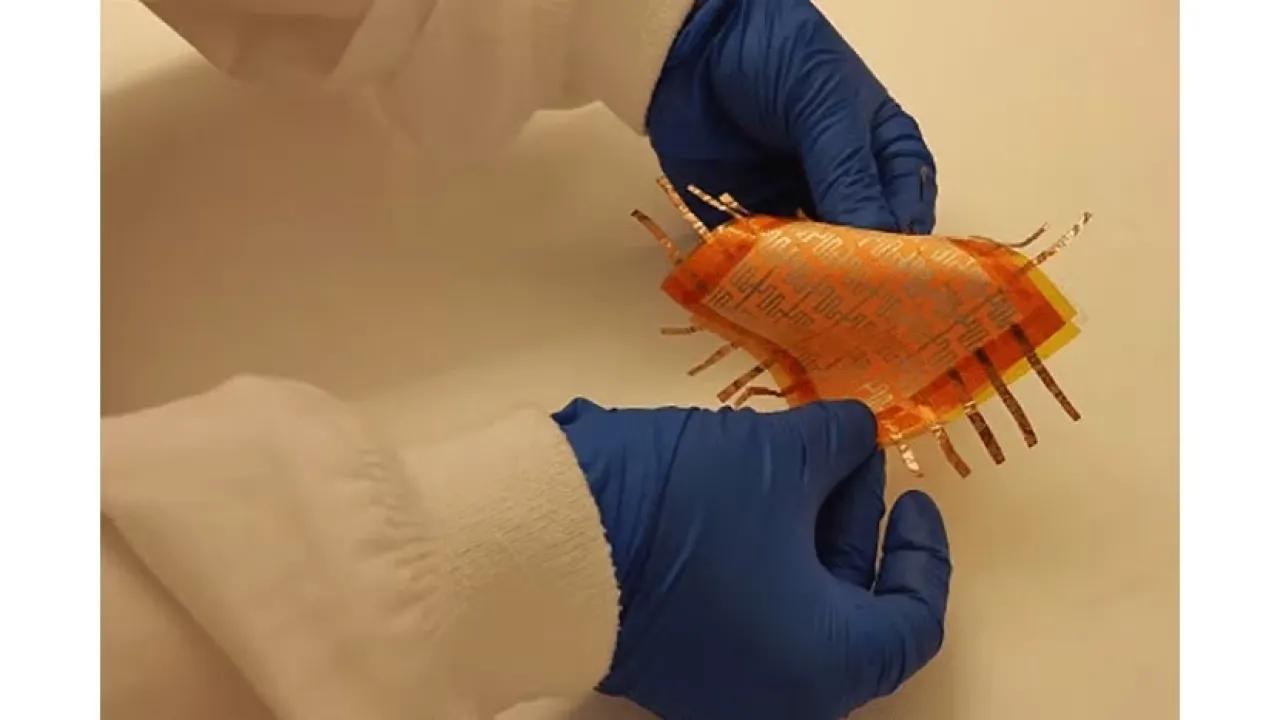
A little more than half of the world’s population enjoy benefits of information technology which is enabled by complementary metal oxide semiconductor (CMOS) electronics. Going forward, we will enjoy further augmentation of quality of life through integrated CMOS electronic systems consisting of logic, memory, communication devices, energy storage and harvester, power management units, sensors and actuators. Their main attributes will include but not limited to high performance and storage capacity for data management; seamless connectivity; energy efficiency; hyper-scale integration density; appropriate functionalities based on their applications and operational environment; reliability and safety; and finally affordability and simplicity to expand their user base to include those who do not have any access to them today. Even using last fifty years’ wealth of knowledge and experience, such integrated electronic system development and deployment is a monumental engineering challenge. From that perspective, redesigning CMOS electronics might seem to be an overly ambitious goal specially, if that means transformation of such physically rigid complex electronic systems into a fully flexible one. To address this intriguing challenge, we have developed a unique coin like architecture based soft singular platform, which can be used as the building block of standalone fully flexible CMOS electronic system with all the aforementioned characteristics. We have devised an effective heterogeneous integration strategy based on mature and reliable CMOS technology only to integrate hybrid materials and diverse set of devices for multi-disciplinary applications. These will be the focus of this talk.

The fourth wave: ultrawide bandgap compound semiconductors for photonics and electronics

Xiaohang Li, Assistant Professor, Electrical and Computer Engineering

-

KAUST

Wide bandgap (WBG) compound semiconductors including GaN have shown enormous success in solid-state lighting, display, and electrification in recent decades due to superior properties such as direct bandgap, high electron mobility, and large breakdown field. They have been changing the world by elevating living standards and addressing grand challenges such as global warming. The pioneering researchers have been recognized by numerous accolades including the Nobel Prize and most recently, the Queen Elizabeth Prize. Lately, the III-nitride and III-oxide ultrawide bandgap (UWBG) compound semiconductors with bandgap larger than 3.4 eV have attracted increasing attentions: they have been regarded as the 4th wave/generation after the consequential Si, III-V, and WBG semiconductors. Because the UWBG along with other properties could enable electronics and photonics to operate with significantly greater power and frequency capability and at much shorter far−deep UV wavelengths, respectively, both crucial for human society. Besides, they could be employed for the revolutionary quantum information science as the host and photonic platform. However, extensive multi-disciplinary studies of growth, materials, physics, and devices are essential to unearth the potentials due to the infancy. This seminar would cover the latest research on those aspects. It includes growth of state-of-the-art materials, discovery of unique material properties, and development of a widely adopted device physics framework for photonics and electronics especially short and long wavelength photonic devices.
<> cybersecurity (21)
<> nanoelectronics (21)
<> wireless communication (21)
<> nanomaterials (20)
<> semiconductors (20)

The fourth wave: ultrawide bandgap compound semiconductors for photonics and electronics

Xiaohang Li, Assistant Professor, Electrical and Computer Engineering

-

KAUST

Wide bandgap (WBG) compound semiconductors including GaN have shown enormous success in solid-state lighting, display, and electrification in recent decades due to superior properties such as direct bandgap, high electron mobility, and large breakdown field. They have been changing the world by elevating living standards and addressing grand challenges such as global warming. The pioneering researchers have been recognized by numerous accolades including the Nobel Prize and most recently, the Queen Elizabeth Prize. Lately, the III-nitride and III-oxide ultrawide bandgap (UWBG) compound semiconductors with bandgap larger than 3.4 eV have attracted increasing attentions: they have been regarded as the 4th wave/generation after the consequential Si, III-V, and WBG semiconductors. Because the UWBG along with other properties could enable electronics and photonics to operate with significantly greater power and frequency capability and at much shorter far−deep UV wavelengths, respectively, both crucial for human society. Besides, they could be employed for the revolutionary quantum information science as the host and photonic platform. However, extensive multi-disciplinary studies of growth, materials, physics, and devices are essential to unearth the potentials due to the infancy. This seminar would cover the latest research on those aspects. It includes growth of state-of-the-art materials, discovery of unique material properties, and development of a widely adopted device physics framework for photonics and electronics especially short and long wavelength photonic devices.
<> optimization (19)
<> embedded systems (18)
<> nanofabrication (18)
<> Cognitive radio network (17)
<> optics (17)
<> Photonics and optoelectronics (17)
<> antenna arrays (16)
<> CMOS (16)
A little more than half of the world’s population enjoy benefits of information technology which is enabled by complementary metal oxide semiconductor (CMOS) electronics. Going forward, we will enjoy further augmentation of quality of life through integrated CMOS electronic systems consisting of logic, memory, communication devices, energy storage and harvester, power management units, sensors and actuators. Their main attributes will include but not limited to high performance and storage capacity for data management; seamless connectivity; energy efficiency; hyper-scale integration density; appropriate functionalities based on their applications and operational environment; reliability and safety; and finally affordability and simplicity to expand their user base to include those who do not have any access to them today. Even using last fifty years’ wealth of knowledge and experience, such integrated electronic system development and deployment is a monumental engineering challenge. From that perspective, redesigning CMOS electronics might seem to be an overly ambitious goal specially, if that means transformation of such physically rigid complex electronic systems into a fully flexible one. To address this intriguing challenge, we have developed a unique coin like architecture based soft singular platform, which can be used as the building block of standalone fully flexible CMOS electronic system with all the aforementioned characteristics. We have devised an effective heterogeneous integration strategy based on mature and reliable CMOS technology only to integrate hybrid materials and diverse set of devices for multi-disciplinary applications. These will be the focus of this talk.
<> Control Theory (16)
<> 6G (15)
<> flexible (14)
<> flexible electronics (14)
<> MEMS (14)
<> Antennas (13)
<> bioelectronics (13)
<> UAV (13)
<> Visible light communications (13)
<> AI (12)
<> Physical layer security (12)
<> Random Matrix Theory (12)
<> RISC (12)
<> wireless networks (12)
<> advanced semiconductors (11)
<> Digital signal processing (11)
<> Green communications (11)
<> laser (11)
<> microfluidics (11)
<> Next generation wireless communications (11)
<> computational electromagnetics (10)
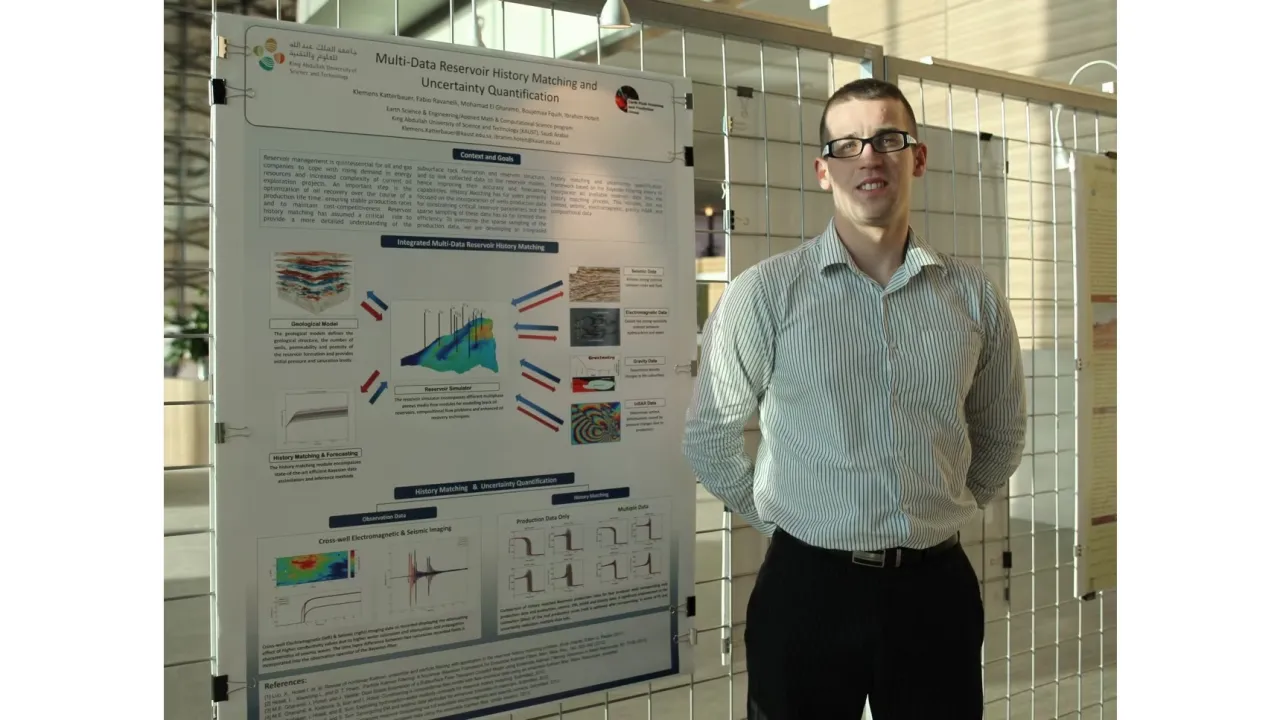
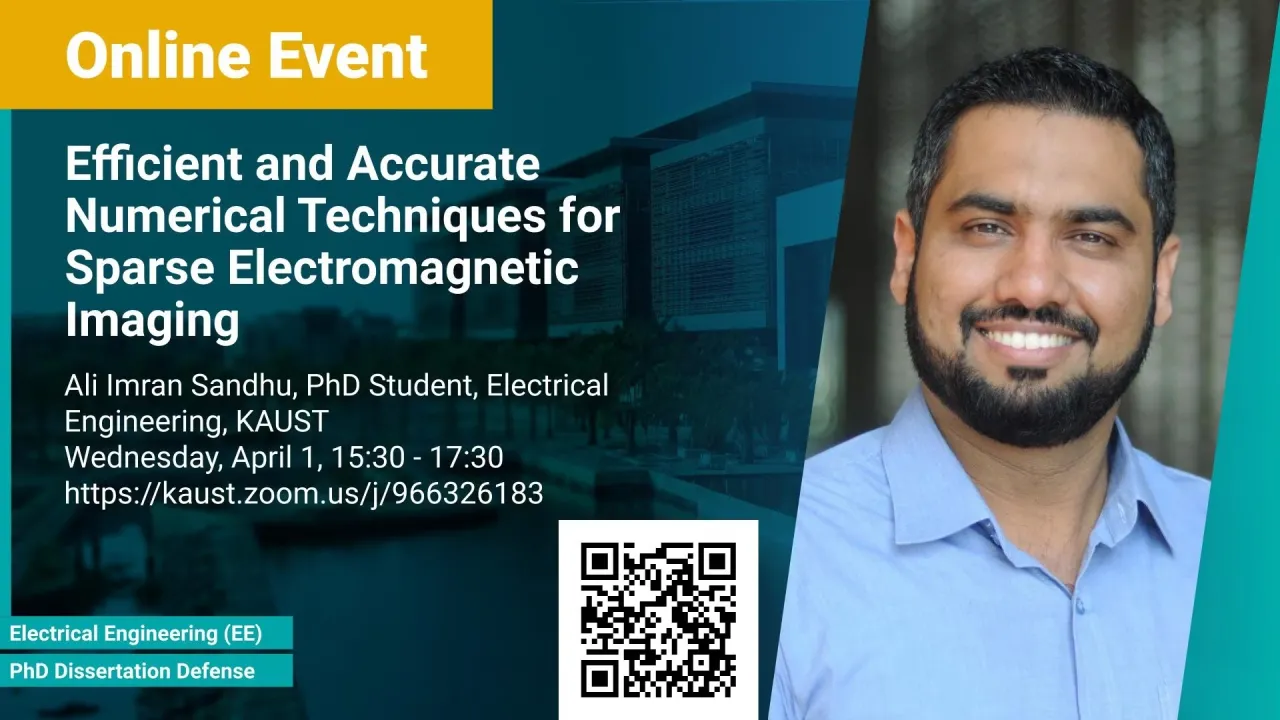
In this thesis, efficient solutions are sought out to fundamental problems in Electromagnetic (EM) imaging that determines the shape, location, and material properties of an (unknown) object of interest in an investigation domain from the scattered field measured away from it. The solution of an EM inverse scattering problem inherently poses two main challenges: (i) non-linearity, since the scattered field is a non-linear function of the material properties and (ii) ill-posedness, since the integral operator has a smoothing effect and the number of measurements is finite in dimension and they are contaminated with noise. The non-linearity is tackled incorporating a multitude of techniques (ranging from Born approximation (linear), inexact Newton (linearized) to complete non-linear iterative Landweber schemes) that can account for weak to strong scattering problems. The ill-posedness of the EM inverse scattering problem is circumvented by formulating the above methods into a minimization problem with a sparsity constraint, which assumes that the dimension of the unknown object relative to the investigation domain is much smaller. Numerical experiments, which are carried out using synthetically generated measurements, show that the images recovered by these sparsity-regularized methods are sharper and more accurate than those produced by existing methods. The methods developed in this work have potential application areas ranging from oil/gas reservoir engineering to biological imaging where sparse domains naturally exist.
<> Computer science (10)
<> game theory (10)
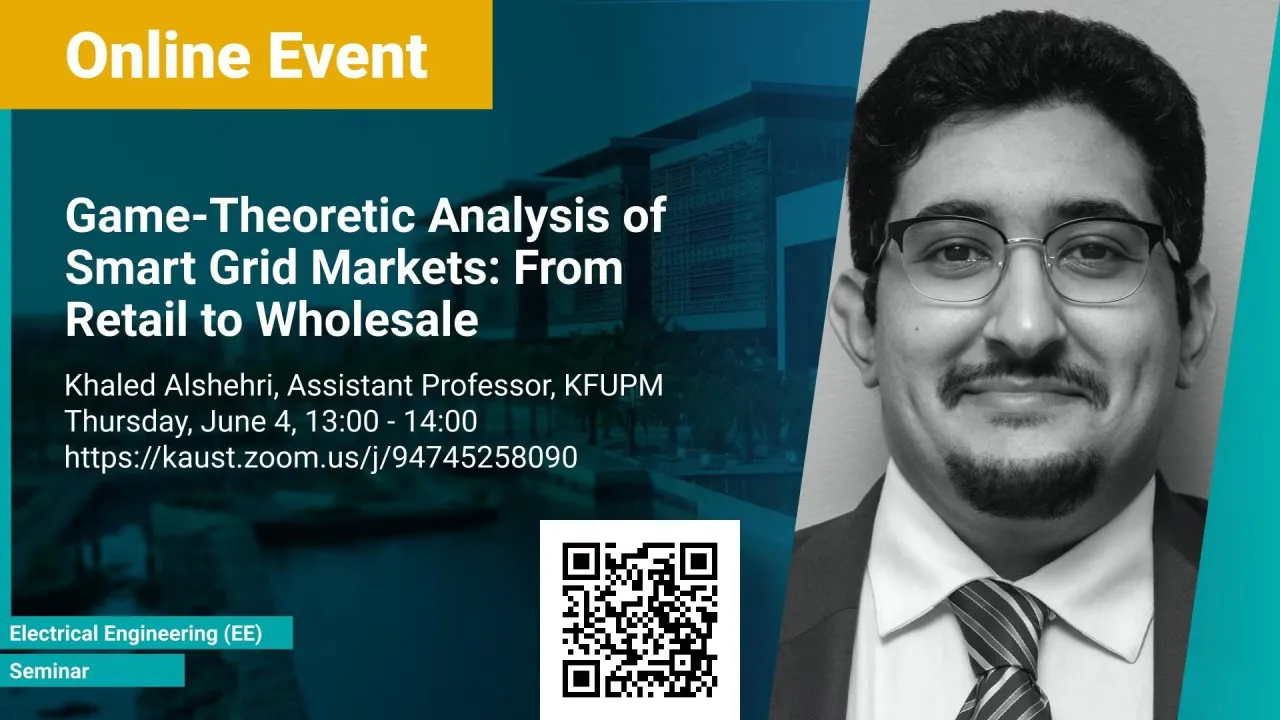
As end-consumers of electricity become more proactive and as many countries around the world push for a deeper penetration of renewable resources into the power grid, critical issues and challenges arise to the design and operation of deregulated electricity markets. In this presentation, we show how one can exploit tools from game theory to address some of these critical issues. Firstly, wholesale and retail markets are becoming more integrated due to the increasing adoption of distributed energy resources, creating a large gap in the current understanding of the impact of such small-scale energy resources on the larger power system operation and electricity market outcomes. This motivates us to develop a metric, called the Price of Aggregation, which quantifies the impact of integrating distributed energy resources in the retail-level on wholesale market efficiency. Secondly, evidence from real markets indicate that large-scale adoption of wind energy in the transmission system leads to significantly higher price volatility in wholesale markets. To mitigate the effects of price volatility, we propose an add-on centralized clearing mechanism that is applicable to any wholesale market, with the aim of allowing any market participant to hedge against profit volatilities, without changing the existing market operations. Finally, we develop a multiperiod-multicompany demand response framework in retail markets, which captures the behavior of competing companies and their price-responsive end-consumers. Using real-life data, we demonstrate potential savings that can exceed 30% for end-consumers, in addition to revealing desirable mathematical properties and deep insights.
<> lab-on-a-chip (10)
<> modeling (10)
<> nanotechnology (10)
<> Partial Differential Equations (10)
<> wireless sensor networks (10)
<> Cooperative communications (9)
<> electromagnetics (9)
<> Free Space Optics (9)
<> light (9)
<> Lyapunov methods (9)
<> Microwave circuits (9)
<> Optical communications (9)
Underwater wireless optical communication (UWOC) has attracted increasing interest for data transfer in various underwater activities, due to its order-of-magnitude higher bandwidth compared to conventional acoustic and radio-frequency (RF) technologies. Our studies pave the way for eventual applications of UWOC by relieving the strict requirements on PAT using UV-based NLOS. Such modality is much sought-after for implementing robust, secure, and high-speed UWOC links in harsh oceanic environments. This work was first started with the investigation of proper NLOS configurations. Path loss (PL) was chosen as a figure-of-merit for link performance. The effects of NLOS geometries, water turbidity, and transmission wavelength are evaluated by measuring the corresponding PL. The experimental results suggest that NLOS UWOC links are favorable for smaller azimuth angles, stronger water turbidity, and shorter transmission wavelength, as exemplified by the use of 375-nm wavelength. With the understanding of favorable NLOS UWOC configurations, we established a NLOS link consisting of an ultraviolet (UV) laser as the transmitter for enhanced light scattering and high sensitivity photomultiplier tube (PMT) as the receiver. A high data rate of 85 Mbit/s using on-off keying (OOK) in a 30-cm emulated highly turbid harbor water is demonstrated. Besides the underwater communication links, UV-based NLOS is also appealing to be the signal carrier for direct communication across wavy water-air interface. The trial results indicate link stability, which alleviates the issues brought about by the misalignment and mobility in harsh environments, paving the way towards real applications.
<> Optical Wireless Communication (9)
<> power electronics (9)
<> Reinforcement Learning (9)
<> bioscience (8)
<> communication networks (8)
Underwater wireless optical communication (UWOC) has attracted increasing interest for data transfer in various underwater activities, due to its order-of-magnitude higher bandwidth compared to conventional acoustic and radio-frequency (RF) technologies. Our studies pave the way for eventual applications of UWOC by relieving the strict requirements on PAT using UV-based NLOS. Such modality is much sought-after for implementing robust, secure, and high-speed UWOC links in harsh oceanic environments. This work was first started with the investigation of proper NLOS configurations. Path loss (PL) was chosen as a figure-of-merit for link performance. The effects of NLOS geometries, water turbidity, and transmission wavelength are evaluated by measuring the corresponding PL. The experimental results suggest that NLOS UWOC links are favorable for smaller azimuth angles, stronger water turbidity, and shorter transmission wavelength, as exemplified by the use of 375-nm wavelength. With the understanding of favorable NLOS UWOC configurations, we established a NLOS link consisting of an ultraviolet (UV) laser as the transmitter for enhanced light scattering and high sensitivity photomultiplier tube (PMT) as the receiver. A high data rate of 85 Mbit/s using on-off keying (OOK) in a 30-cm emulated highly turbid harbor water is demonstrated. Besides the underwater communication links, UV-based NLOS is also appealing to be the signal carrier for direct communication across wavy water-air interface. The trial results indicate link stability, which alleviates the issues brought about by the misalignment and mobility in harsh environments, paving the way towards real applications.
<> communication systems (8)
<> computational imaging (8)
<> Computational Photography (8)
<> Controller design (8)
<> drones (8)
<> integrated circuits (8)
<> LED (8)
<> magnetism (8)
<> material science and engineering (8)
<> nanowires (8)
<> power systems (8)
<> semiconductor (8)
<> Terahertz communications (8)
<> 5G and beyond (7)
<> additive manufacturing (7)
<> algorithms (7)
<> antenna design (7)
<> applied mathematics (7)
<> connectivity (7)
<> Cooperative relay network (7)
<> Dynamical Systems (7)
<> FPGA (7)
<> IEEE (7)
<> image processing (7)
<> In-memory computing (7)
<> ISAC (7)
<> microelectronics (7)
<> Python (7)