
Profiles
Students
Biography
Olga Krestinskaya (Graduate Student Member, IEEE) is a Ph.D. candidate at King Abdullah University of Science and Technology (KAUST), Saudi Arabia. Her research focuses on software–hardware co-design for in-memory computing (IMC) architectures and AI hardware, with a particular interest in hardware-aware neural architecture search (NAS) algorithms, memristor-based systems, neuromorphic computing, and mixed-signal IMC implementations. She has authored several high-impact works on analog memristive neural networks, mixed-signal circuit-level implementations of in-memory computing architectures, quantized neural networks, and brain-inspired algorithms, with a focus on developing energy-efficient and scalable IMC hardware for AI applications.
Olga is the recipient of the 2019 IEEE CASS Predoctoral Award, the 2025 Web of Talents STEM Award (1st place), and multiple KAUST Dean’s Awards. Her work was recognized with the Best Poster Award at the 2nd Nature Conference on Neuromorphic Computing (2024), and she was shortlisted for the prestigious Rising Stars Women in Engineering Workshop (Asian Deans’ Forum 2024).
Research Interests
Olga`s research area is neuromorphic and brain-inspired algorithms, circuits, and architectures. In particular, she is interested in memristor-based architectures for neural networks and neuro-inspired systems. Currently, Olga is focusing on analog circuit-level implementations of reconfigurable memristive neural network architecture and optimization of hyperparameters.
Education
Research Interests
AI, IoT, Wireless Communications.
Education
Biography
Otavio Bertozzi received his B.Sc. in Electrical Engineering from UNESP, Brazil (2018), and his M.Sc. in Electrical and Computer Engineering from KAUST (2020), where he is currently completing his Ph.D. under the supervision of Prof. Shehab Ahmed. His research focuses on the modeling, analysis, and control of mixed-generation power systems, emphasizing stability in converter-dominated grids. His work spans the development of power system simulation models and the design of control solutions for grid-integrated power electronic systems.
Research Interests
Control systems and power systems engineering. Modeling, simulation, analysis and design of solutions applied to power system stability and control. Optimal and data-driven approaches to the integration of renewable energy resources.
Education

Biography
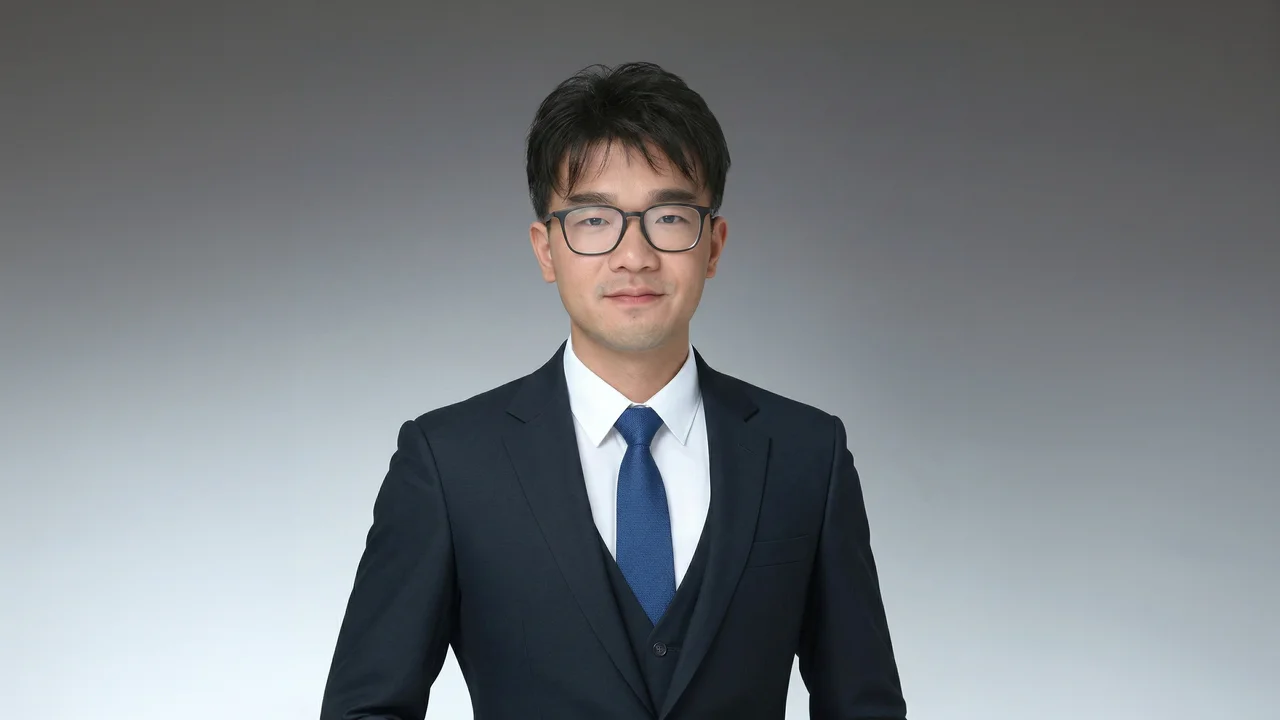
Peihao Li obtain his Ph.D. and M.S. degrees in Electrical Engineering from King Abdullah University of Science and Technology (KAUST) Computer, Electrical and Mathematical Sciences and Engineering (CEMSE) Division. He got a B.S. in Engineering with specialization in Observation, Navigation and Control from Northwestern Polytechnical University (NWPU), China.
Research Interests
Peihao Li's research interests include UAV navigating, image processing and robust control. He is developing algorithms and applications in signal processing and semi-classical signal analysis (SCSA).
At KAUST, his research encompassed such areas as validating adaptive Lyapunov controller at the solar collector setup, and gained experimental results that comes from the real data, as an extension to related literature work. Developing algorithms based on semi-classical signal analysis (SCSA) and we have developed a denoising algorithm with a curvature constraint that performs well compared to other existing denoising method. And denoising pulse shaped signals based on the Schrodinger operator and a curvature constraint.
Education
Research Interests
Photonics and optoelectronics
Biography
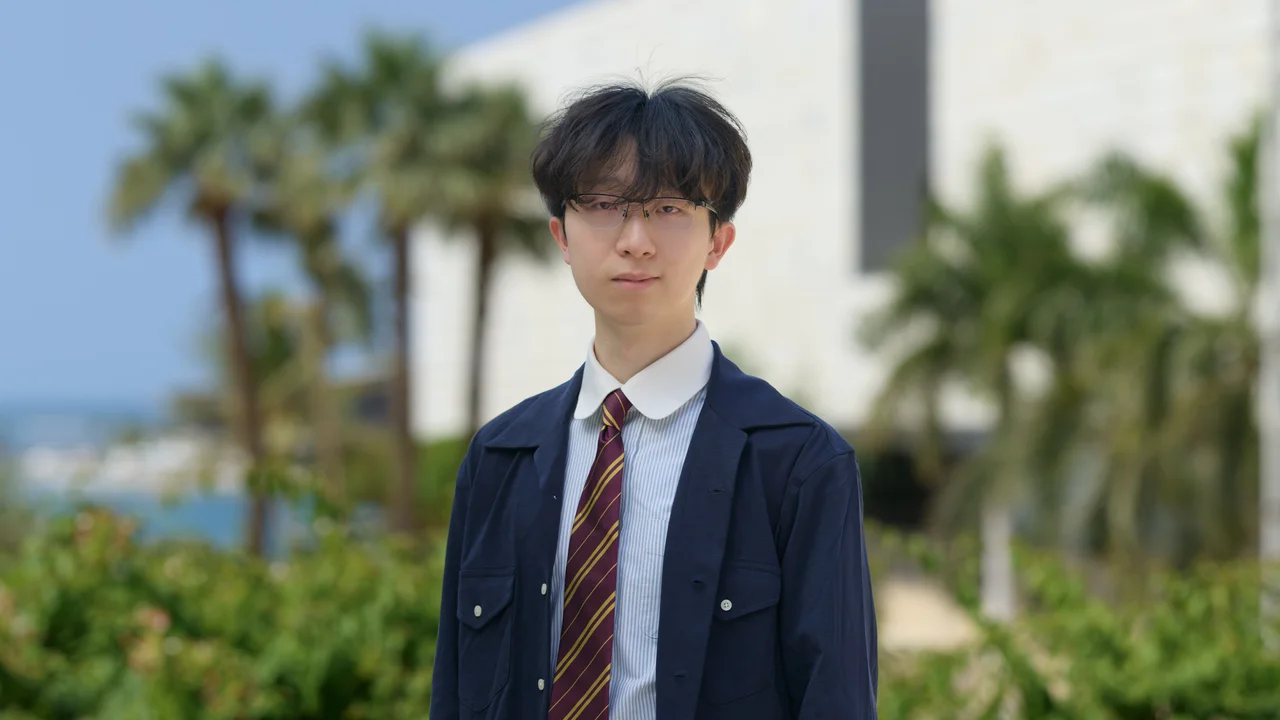
Qizhou Wang is a Ph.D. candidate in Electrical and Computer Engineering (ECE) at King Abdullah University of Science and Technology (KAUST). During his Ph.D. studies, he received CEMSE Division Dean’s List Award. He received his B.S. degree in Communication Engineering from University of Electronic Science and Technology of China (UESTC) in 2020 and M.S. degree in Electrical and Computer Engineering from King Abdullah University of Science and Technology (KAUST) in 2021. He dedicated his doctoral work to integrating nanophotonics with machine learning to create smarter imaging hardware as a member of the Primalight Laboratory research group under the supervision of Professor Andrea Fratalocchi.
Research Interests
Qizhou’s vision is centered on providing the multimodal raw data necessary to fuel the next generation of artificial intelligence. This commitment to innovation extends beyond the lab; as a co-founder of a startup specializing in hyperspectral imaging solutions, he is actively translating complex scientific breakthroughs into practical, real-world tools. By merging inverse design with computational imaging, he is building the foundational hardware that will allow machine vision to see further, deeper, and more intelligently.
Education
Biography
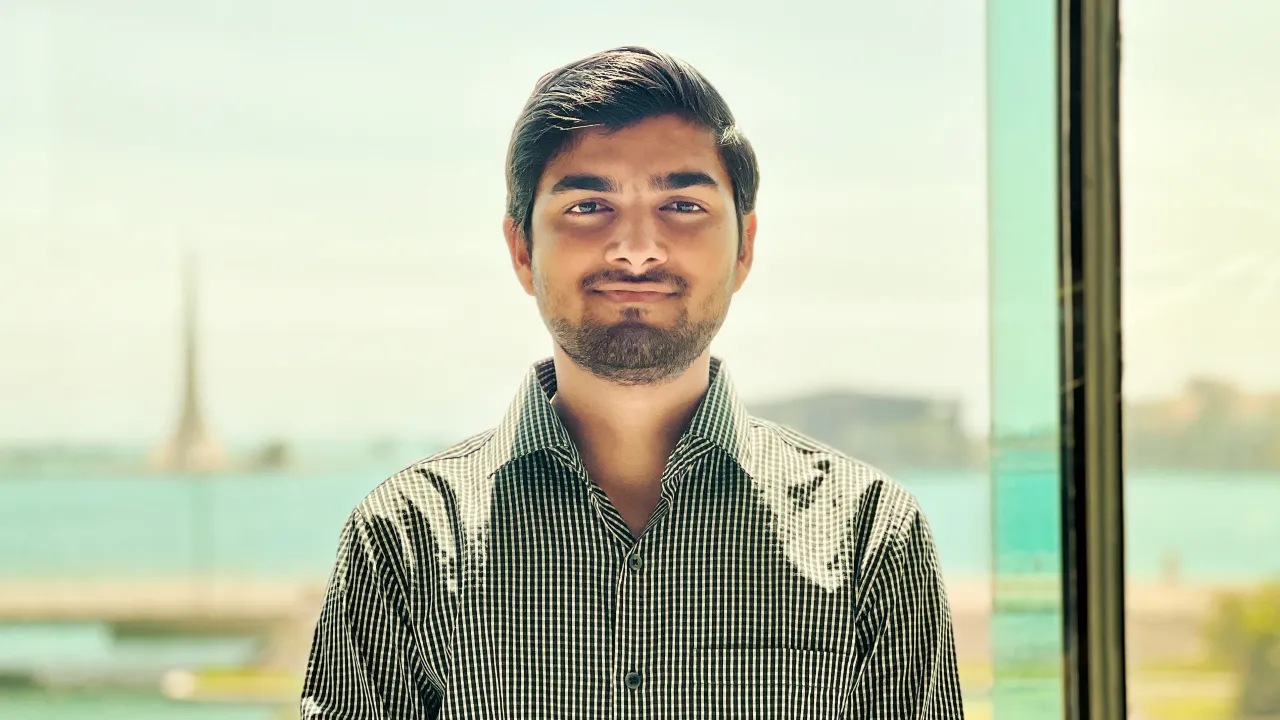
Rajat received his B.Tech. in Electronics and Communication Engineering from the National Institute of Technology (NIT) Hamirpur, India, in 2019, and his M.Tech. in Electrical Engineering with a specialization in VLSI from the Indian Institute of Technology (IIT) Mandi, India, in 2021. He is currently pursuing his Ph.D. in the Communication and Computing Systems Lab (CCSL) at the Computer, Electrical and Mathematical Science and Engineering (CEMSE) Division, King Abdullah University of Science and Technology (KAUST), Saudi Arabia.
Research Interests
Rajat’s research interests lie in the development of low-power wearable electronics, with a particular focus on human body communication for Internet of Bodies applications. He is also interested in emerging nanotechnologies and energy harvesting strategies to enable sustainable and autonomous electronic systems.
Education
Education
Biography
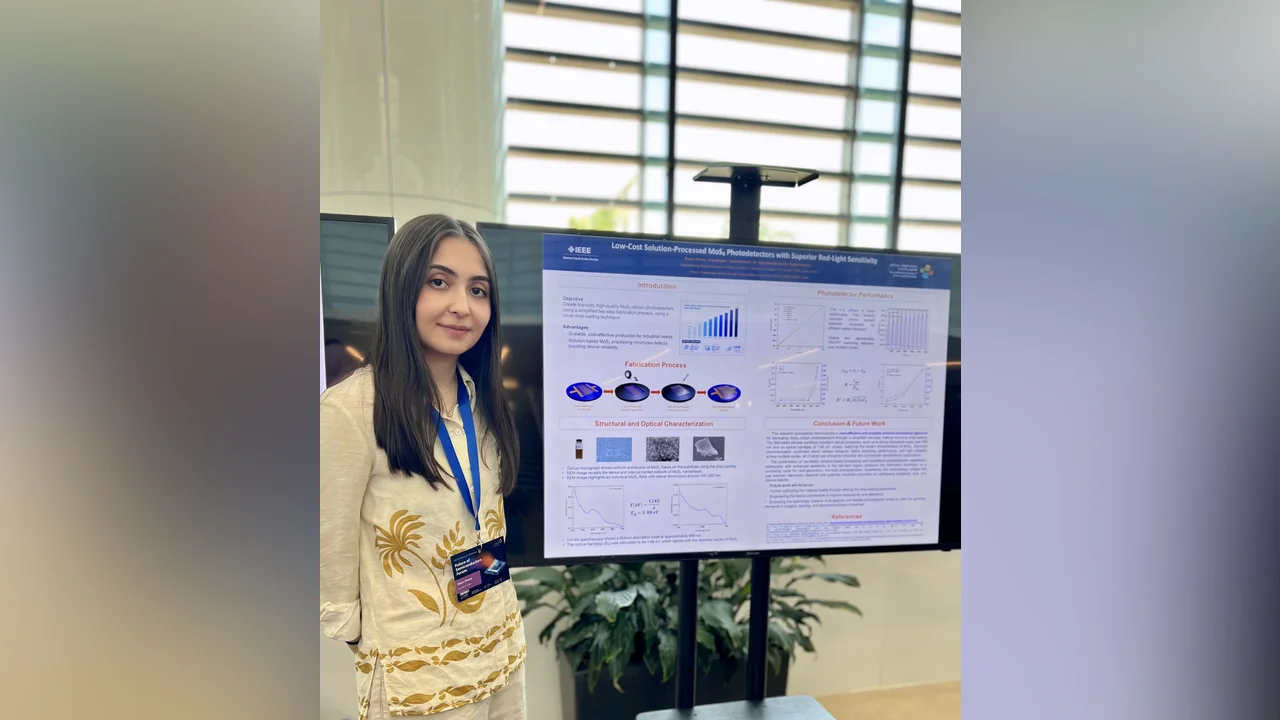
Razan Shams is an MS student in Electrical and Computer Engineering at KAUST, joining the Integrated Intelligent Systems (I2S) Lab in 2025. Her research focuses on micro-electromechanical systems (MEMS) and biomedical devices, particularly magnetic membranes for electromagnetic pumping applications.
She previously worked as a research intern at KAUST, where she contributed to projects in the Nanofabrication Core Lab focused on semiconductor device fabrication and 2D material-based photodetectors. She presented her research on scalable MoS₂ photodetectors at the IEEE EDS Future of Semiconductors Forum 2025 among PhD students and researchers.
Razan holds a BS in Physics (Nanophysics) with first-class honours from the University of Jeddah, where her research received the Gold Award at the Student Scientific Forum.
Research Interests
- Semiconductor Device Fabrication
- 2D Materials for Optoelectronics
- Micropumps and Biomedical MEMS
- Magnetic Materials and Electromagnetic Actuation
Education

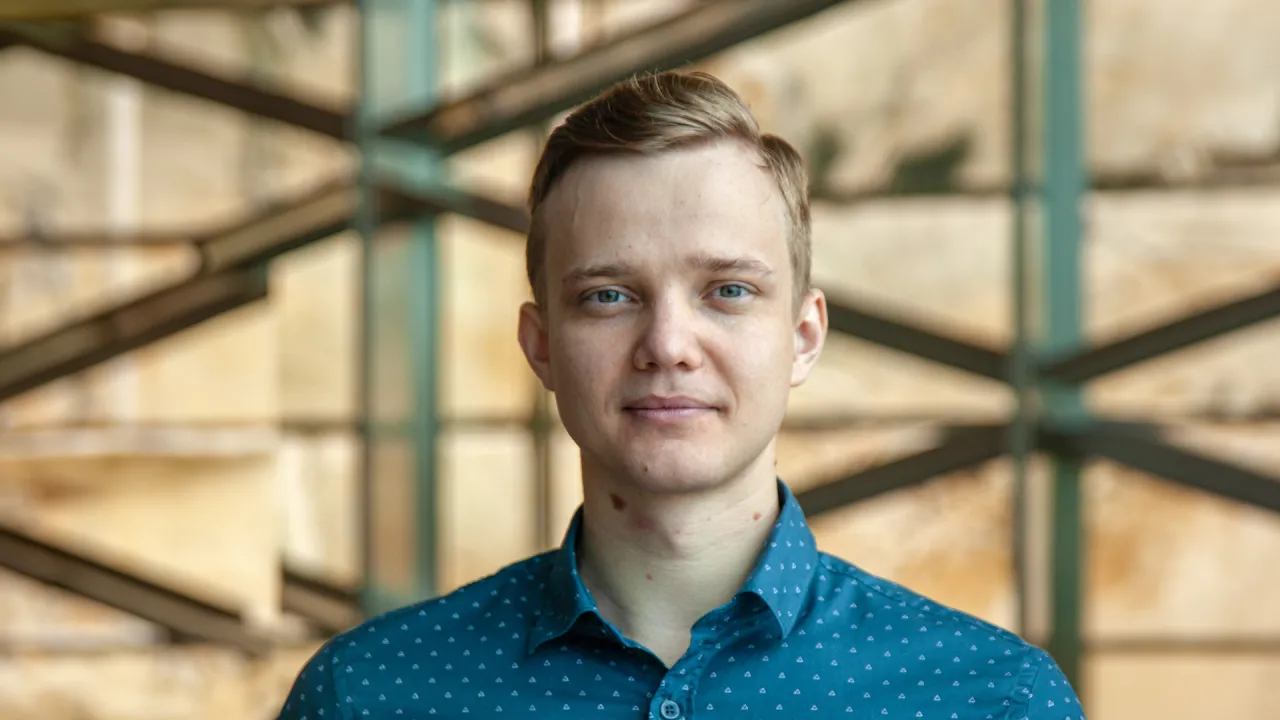
Roman Zamchii
- Ph.D. Student, Electrical and Computer Engineering
Biography
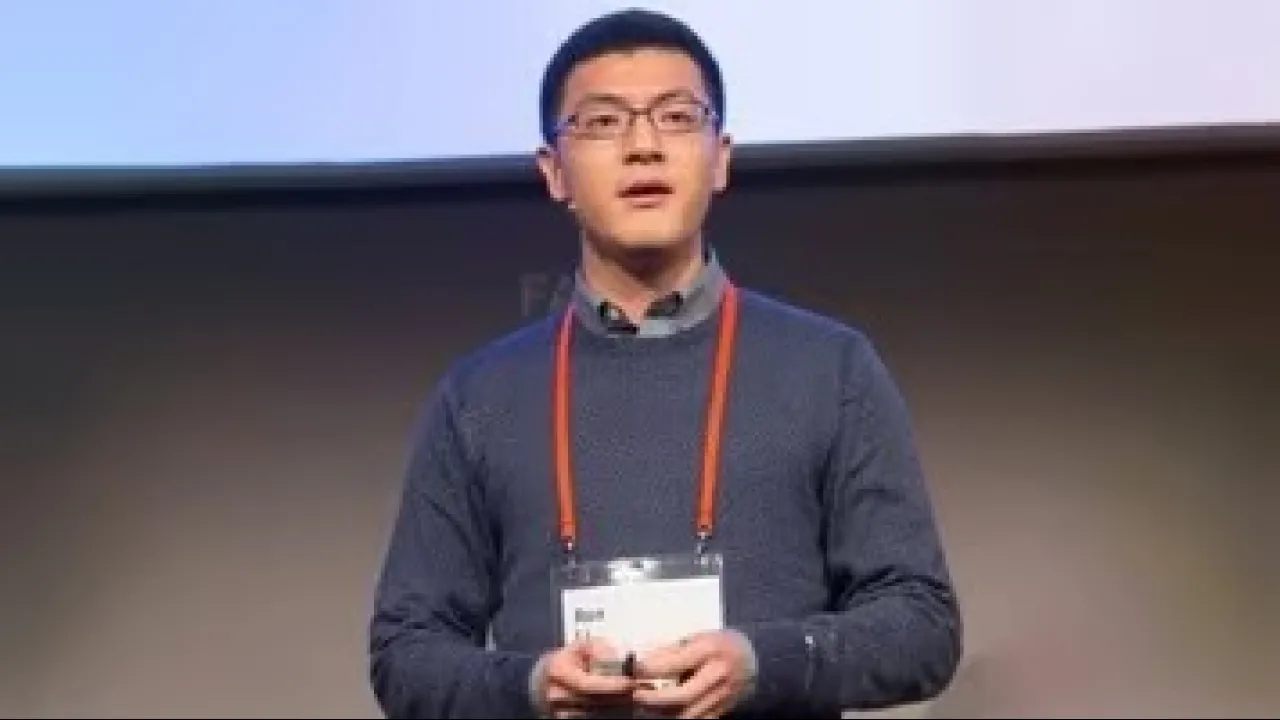
Roman received the B.S. and M.S. degrees from the Faculty of Physics, Saint Petersburg State University, Saint Petersburg, Russia, in 2012 and 2014, respectively. Since 2018, he has been pursuing a Ph.D. degree at the King Abdullah University of Science and Technology, Thuwal, Saudi Arabia. His research mainly focuses on gas discharge plasma at atmospheric pressure and its application. Roman's academic advisor is Professor Deanna Lacoste.
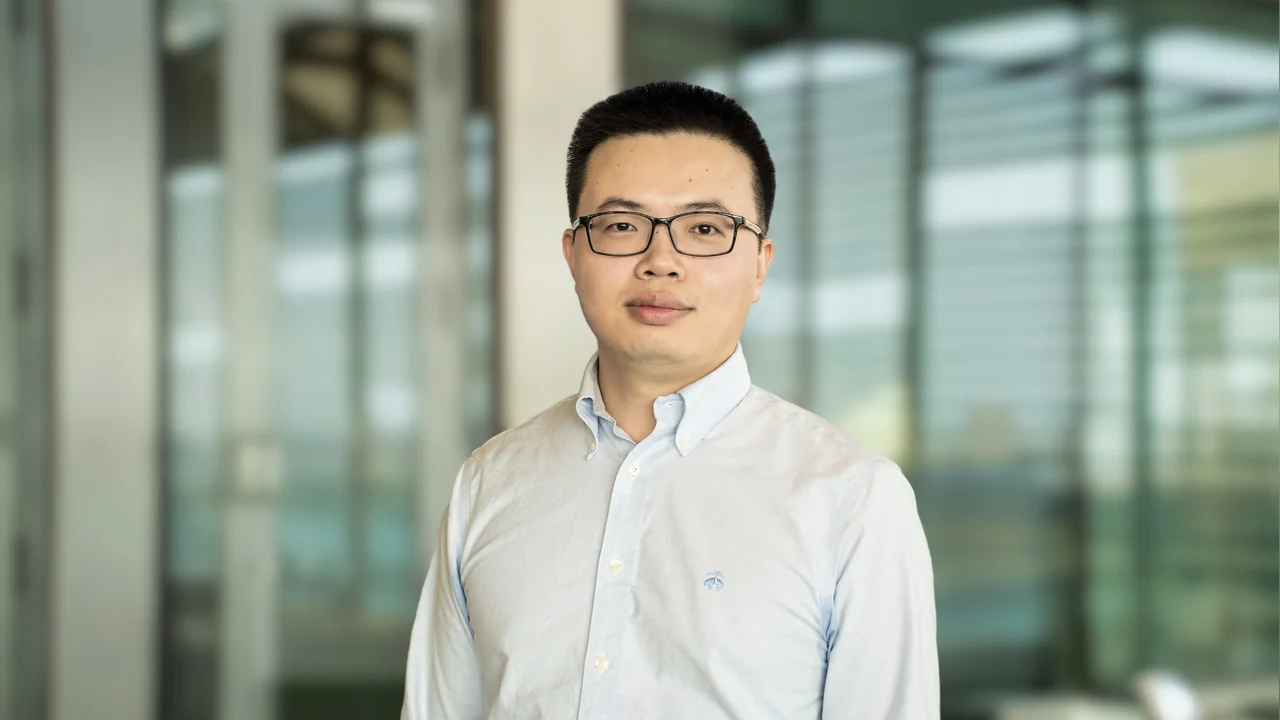
Rongxing Hu
- Postdoctoral Research Fellow, Secure Next Generation Resilient Systems Lab
Education
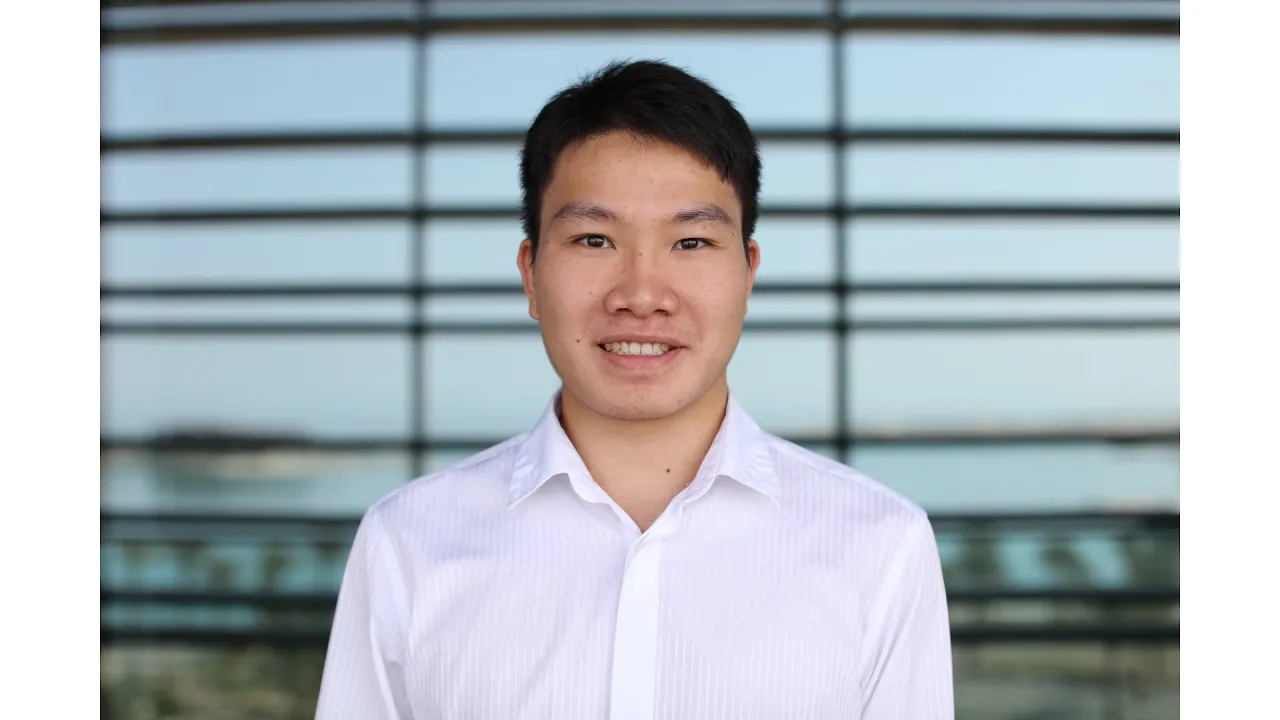
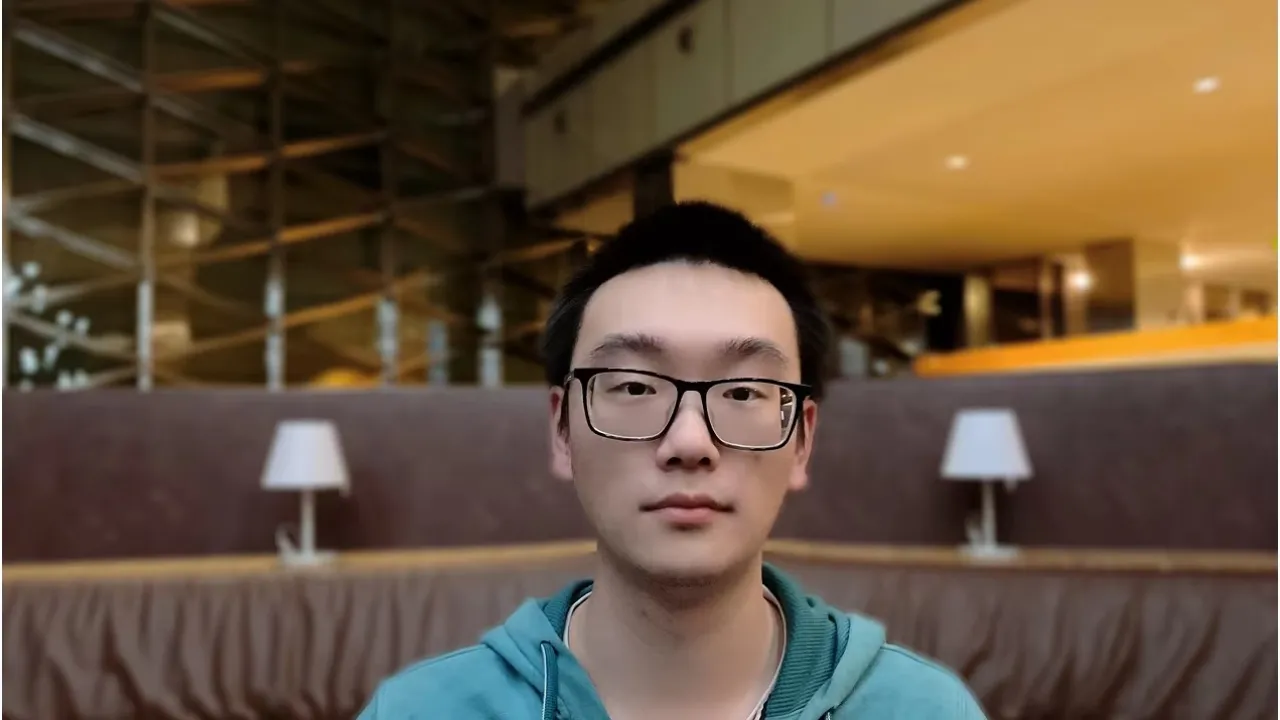
Ruibo Wang
- Postdoctoral Research Fellow, Electrical and Computer Engineering
Biography
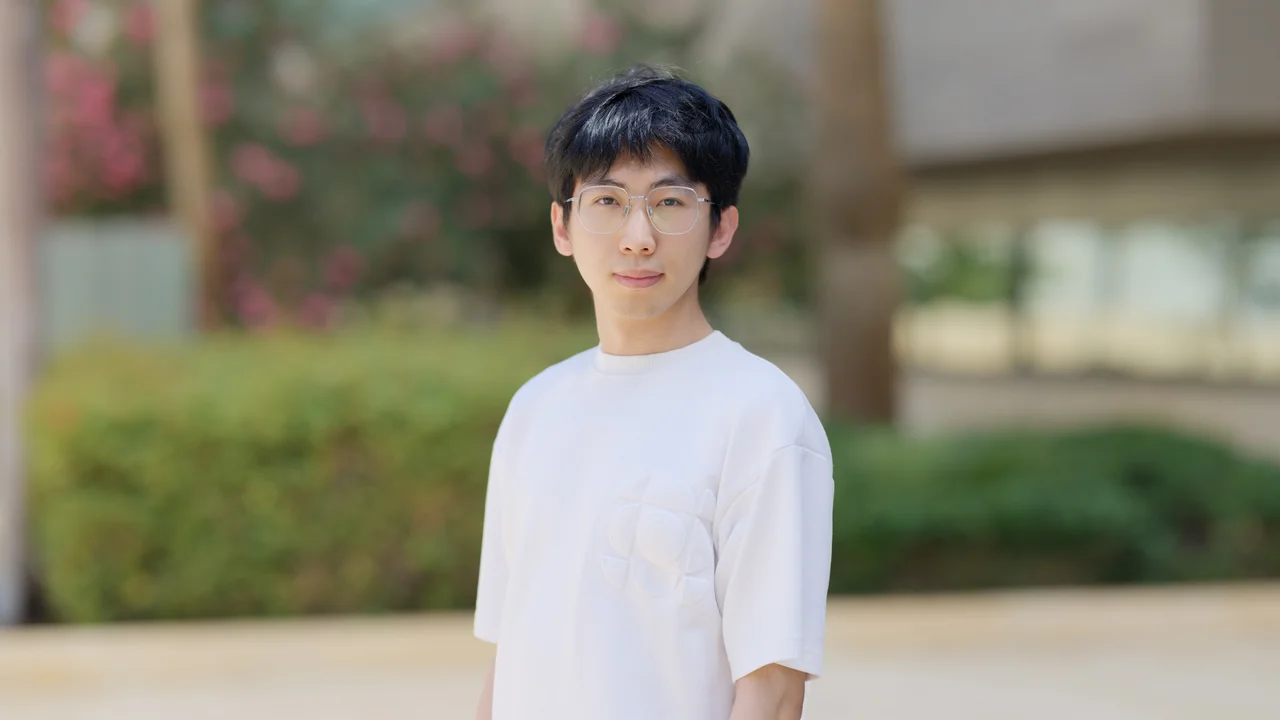
Ruiqi Wang is a Ph.D. candidate in Electrical and Computer Engineering at King Abdullah University of Science and Technology (KAUST), working in the IMPACT Lab under the supervision of Prof. Atif Shamim. His work has led to multiple publications in leading IEEE journals, including IEEE TAP, IEEE JSAC, IEEE TMTT, and IEEE TWC. His wideband millimeter-wave RIS work was featured on IEEE Xplore and became the most-read paper in IEEE TAP in 2024. His 5G/6G MIMO antenna work was also ranked among the top 10 most-read papers in IEEE TAP in 2025. He received Second Prize in the 2024 IEEE IMS Student Design Competition and the Student Paper Honorable Mention Award at IEEE APS 2023. He has also contributed to KAUST-Ericsson collaborative research on next-generation hardware for intelligent communication systems. He currently serves as the Chair of the KAUST IEEE AP-S Student Branch Chapter.
Education
Biography
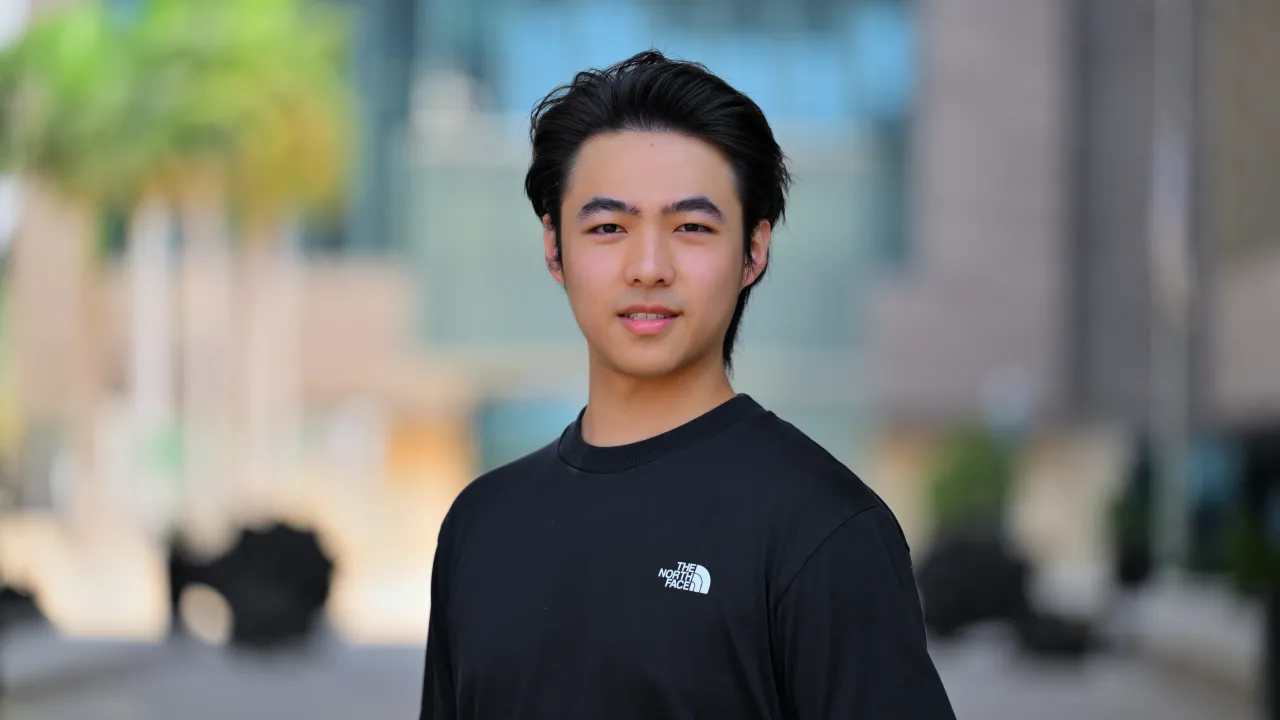
Ruochen Zhu received his B.S. degree in Information Engineering from the University of Electronic Science and Technology of China in 2024. He is currently pursuing M.S. and Ph.D. degrees in the Electrical and Computer Engineering (ECE) program at King Abdullah University of Science and Technology (KAUST), under the supervision of Prof. Ahmed Eltawil.
Education
Biography
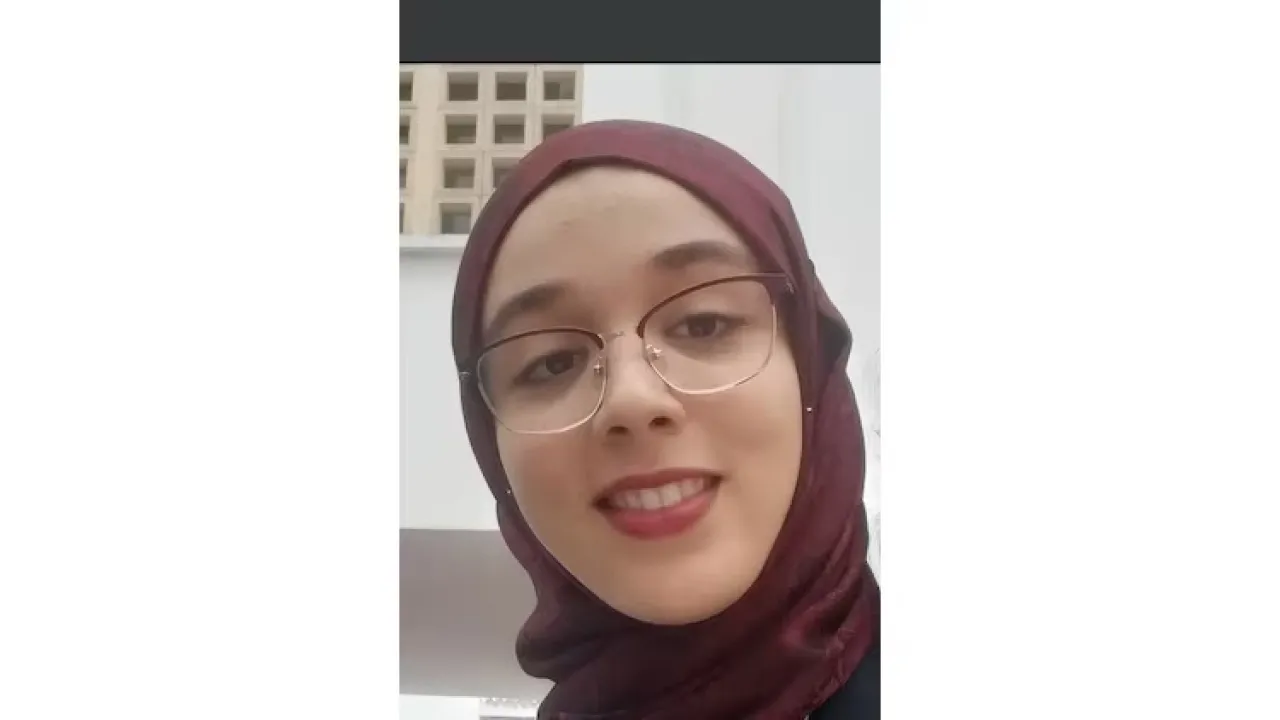
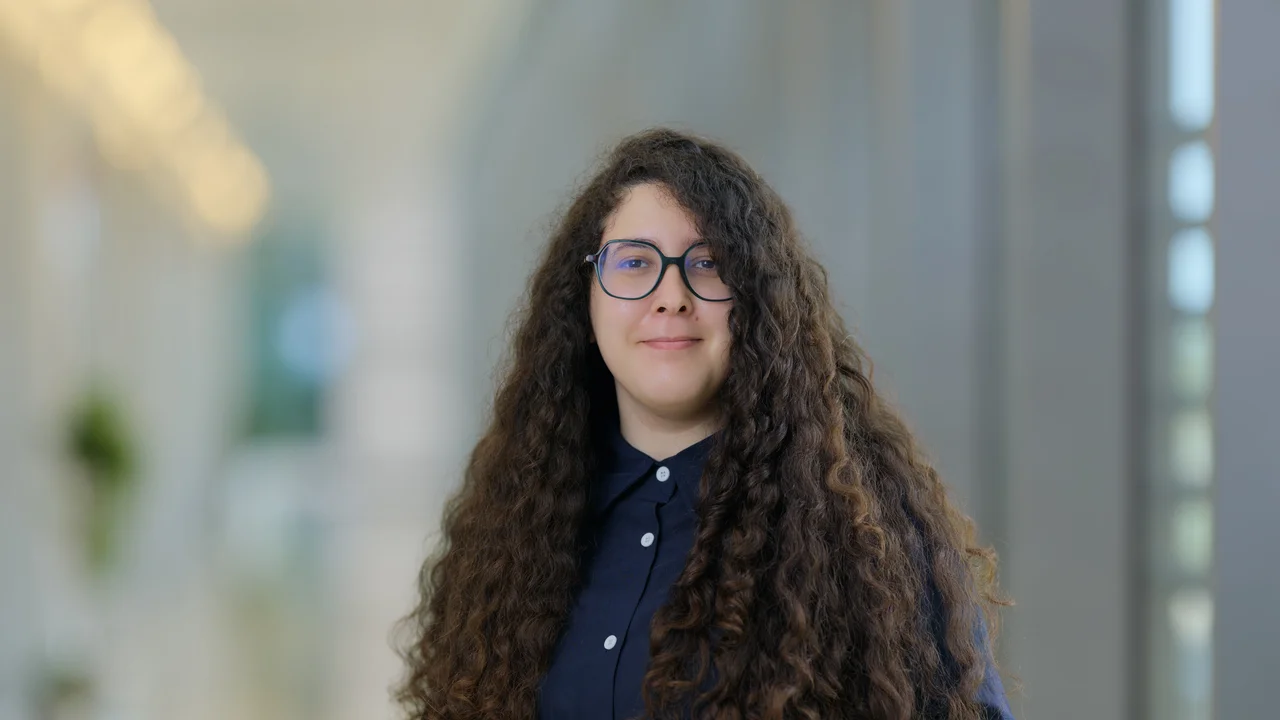
Sahar Ammar is a Ph.D. candidate in Electrical and Computer Engineering at King Abdullah University of Science and Technology (KAUST). She holds an M.S. In Electrical and Computer Engineering from KAUST and a Diplôme d'ingénieur from École Polytechnique de Tunisie, and was a visiting researcher at Universitat Pompeu Fabra (UPF). She has contributed to several projects on intelligent and energy-efficient communication systems across maritime, aerial, and optical wireless networks.
Research Interests
Sahar research studies involve developing RL-based solutions for network optimization, mobility management, and resource orchestration in 5G/6G systems. Additionally, she has refined her expertise in optical wireless communication, gained through earlier work on Sun-Fi, a novel green solution for indoor environments based on sunlight modulation. She is also interested in interdisciplinary collaborations and excited by opportunities to tackle real-world challenges and advance global connectivity.
Education
Biography
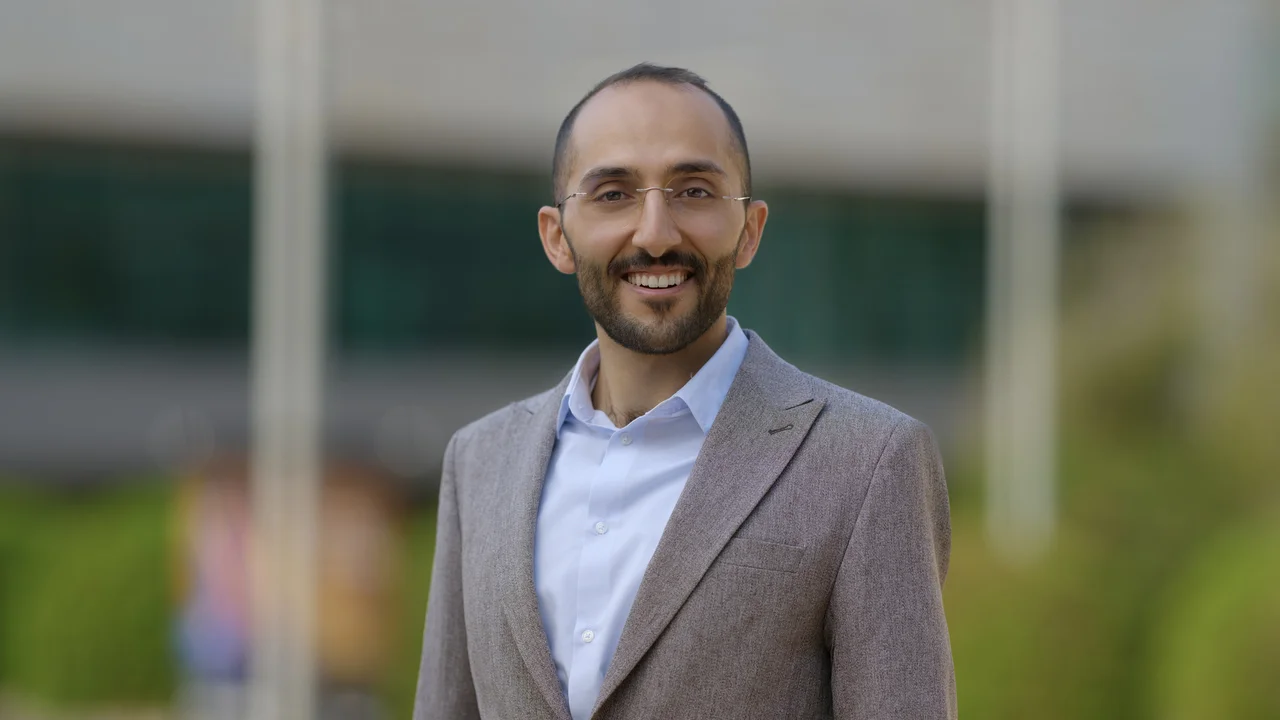
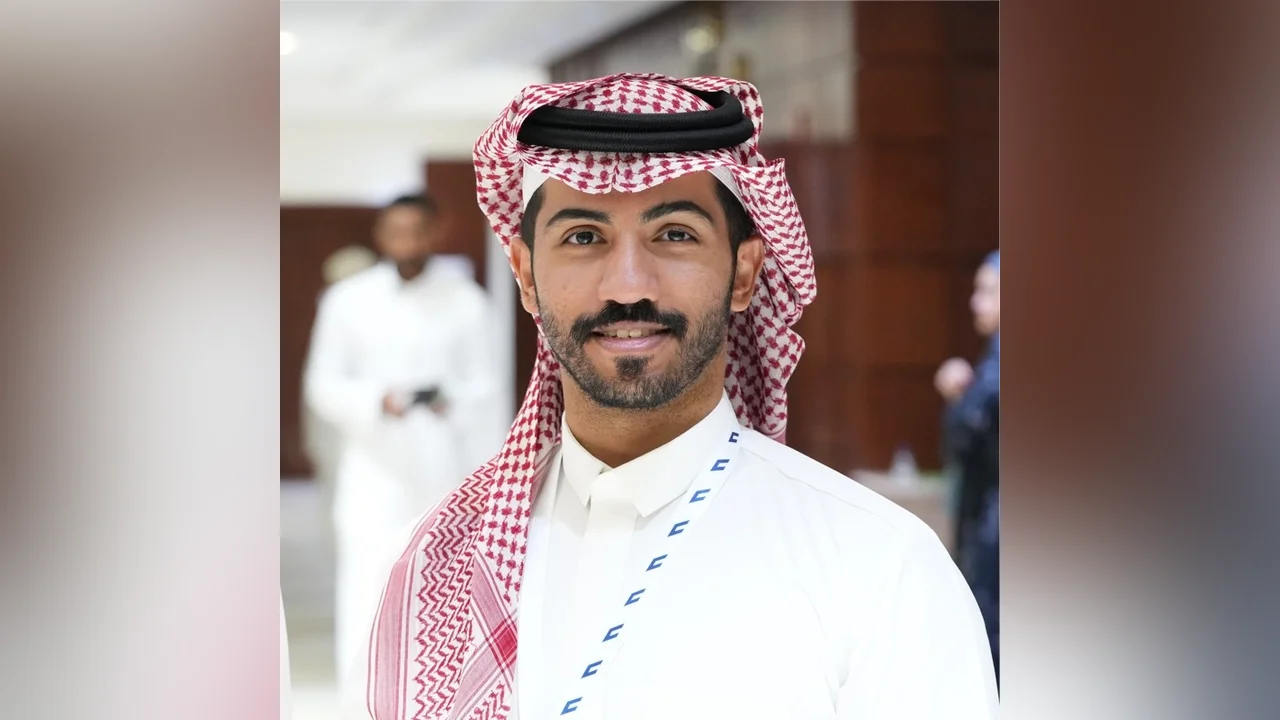
Salem Al-Saqaf is a graduate student at King Abdullah University of Science and Technology (KAUST), pursuing an M.S. in Electrical and Computer Engineering. He holds a B.S. in Electrical Engineering with First Class Honors from King Fahd University of Petroleum and Minerals (KFUPM). His academic journey integrates electronics, semiconductors, and artificial intelligence, with a strong focus on data-driven decision-making, intelligent systems, and next-generation computing. Alongside his academic research, Salem has gained valuable experience applying data science and AI in industry settings, bridging advanced research with practical innovation. He is also actively engaged in student leadership, mentorship, and outreach initiatives at KAUST.
Research Interests
- IoT and Intelligent Sensing
- Electronics and Semiconductor Devices
- IC Design
- Artificial Intelligence (AI) and Machine Learning
Education
Biography
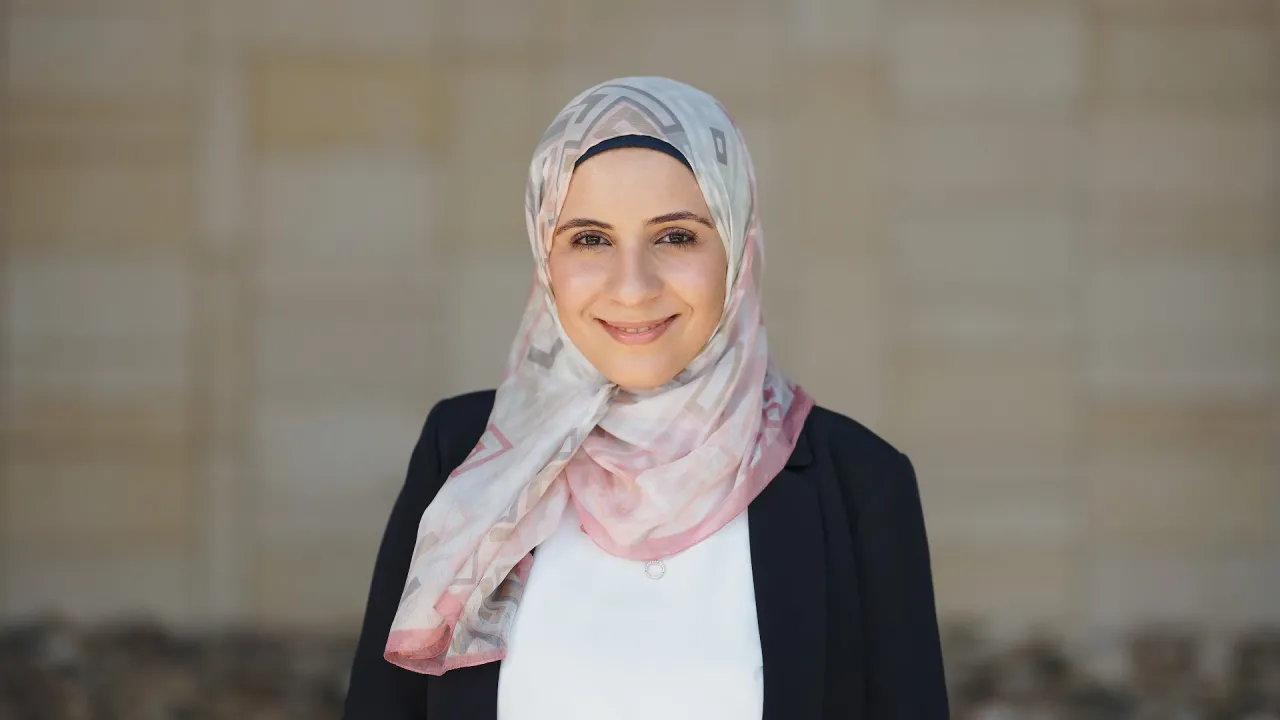
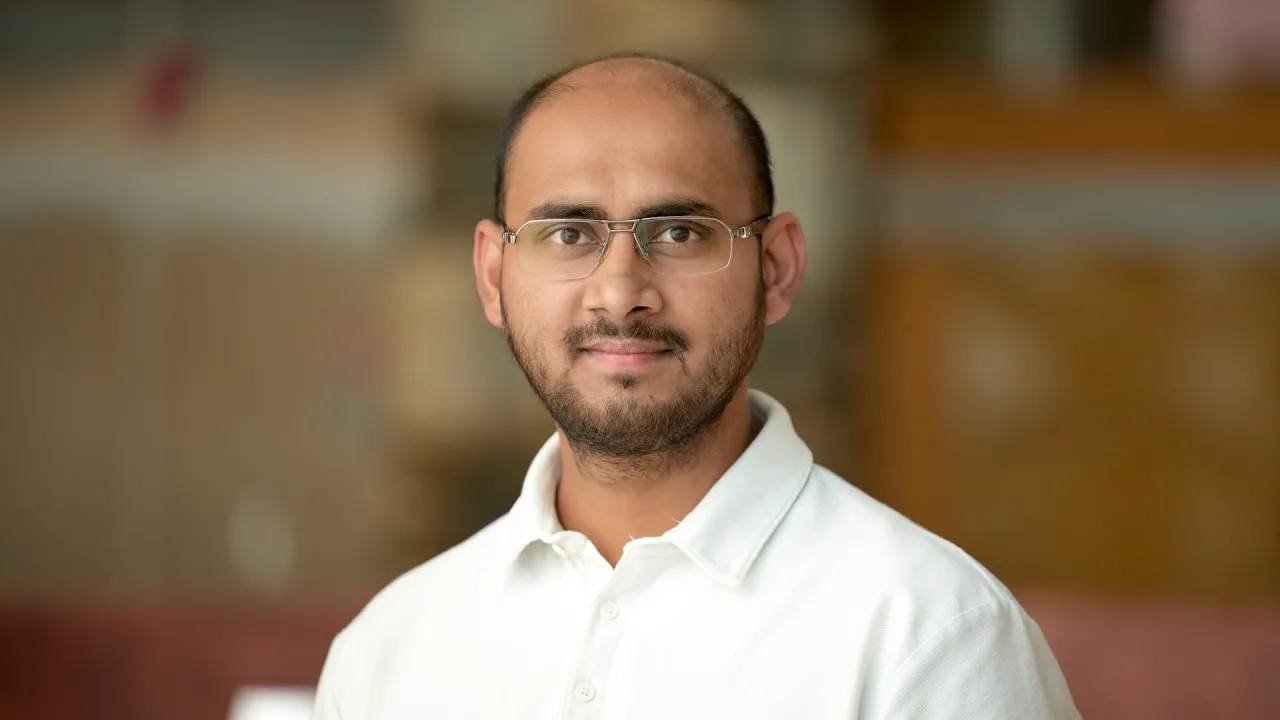
Samy Mounir recently graduated from UCLouvain in Belgium with a B.Sc. in Engineering, specializing in Software and Mathematical Engineering. His diverse experiences include AI internships at KAUST and Belixys, as well as optimization and data analysis projects using real-world data. His research focuses on leveraging cutting‐edge AI techniques to solve practical problems.
Research Interests
Samy’s research centers on applied AI solutions with a focus on computer vision and smart city applications. He is currently working on plant monitoring using UAVs and computer vision techniques.
Education

Saravanan Yuvaraja
- Postdoctoral Research Fellow, Electrical and Computer Engineering
Biography
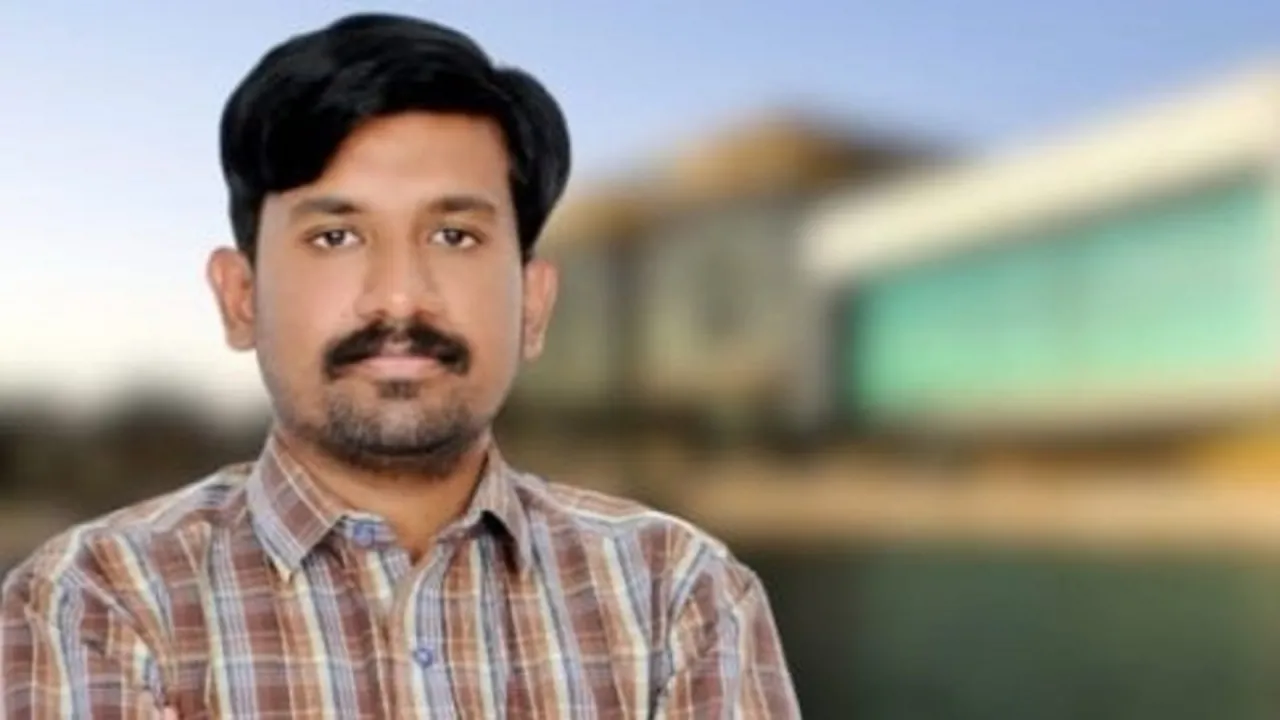
Saravanan Yuvaraja is a Postdoctoral Research Fellow in the Advanced Semiconductor Laboratory at King Abdullah University of Science and Technology (KAUST), Saudi Arabia. His research expertise lies in thin-film semiconductor devices, focusing on monolithic 3D integration, hybrid CMOS circuits, and large-area electronics (LAE). He pioneered the fabrication of record-breaking 10-stack In₂O₃ transistors published in Nature Electronics (2024) and developed hybrid CMOS circuits combining oxide and organic semiconductors, accepted in Nature Electronics (2025). These innovations address critical challenges in achieving high-density, low-power integrated circuits for flexible and wearable systems.
Dr. Yuvaraja has authored 43 peer-reviewed journal publications, including 12 first-author papers, with over 1,100 citations (h-index: 15). His high-impact publications span Nature Electronics, Nature Reviews Electrical Engineering, ACS Applied Materials & Interfaces, and Chemical Society Reviews. He holds multiple patents in oxide and organic TFT-based sensors and logic circuits. Beyond research, he actively mentors Master’s and PhD students in device fabrication, electrical characterization, and process integration, and contributes to graduate curriculum development in oxide semiconductor technologies. Dr. Yuvaraja’s interdisciplinary work bridges materials engineering, device physics, and system integration, aiming to advance scalable, energy-efficient electronics for AI, IoT, and neuromorphic applications.
Research Interests
Saravanan Yuvaraja is interested to develop futuristic nature olfaction inspired chemical sensors for accurate on-site detection with high sensing performance achieved at minimum cost and low power consumption.
- Organic electronics
- Gas sensors
- Silicon Nano-electronics
- Neuromorphic computing
- Perovskite electronics
Education
Biography
Shahd Shami is a Ph.D. student in Electrical and Computer Engineering at KAUST, specializing in robotics and control systems. Before that, she worked as a Teaching Assistant at King Abdulaziz University, where she gained hands-on experience in AI projects and technology solutions. Shahd received her M.Sc. in Electrical and Computer Engineering from KAUST, focusing on machine learning and robot planning, and her B.Sc. in Electrical and Computer Engineering from King Abdulaziz University, Saudi Arabia.
Research Interests
Shahd's research focuses on developing adaptive and intelligent control mechanisms to enhance robotic systems' autonomy and efficiency in dynamic environments. She combines classical control theory with advanced machine learning algorithms to create models that improve robotic performance, adaptability, and interaction with uncertain environments. Areas of interest: • Adaptive control systems for robotics • Machine learning integration in control mechanisms • Advanced sensor technologies for robotics • System integration and implementation of AI solutions • Robotics education and training
Shijie Pan
- Ph.D. Student, Electrical and Computer Engineering
Education
Biography
Talha Ariff was awarded his BEng/MEng degree in Biomedical Engineering from City, University of London in 2022, where he focused on optoelectronic devices for use in medical and chemical sensing.
He is now a Ph.D. student in the Photonics Lab at KAUST, researching further applications for optoelectronic sensors in desert agriculture and undersea communication cables.
Research Interests
Marine Ecology & Desert agriculture, Sensors, Photonics & Optoelectronics
Education
Biography
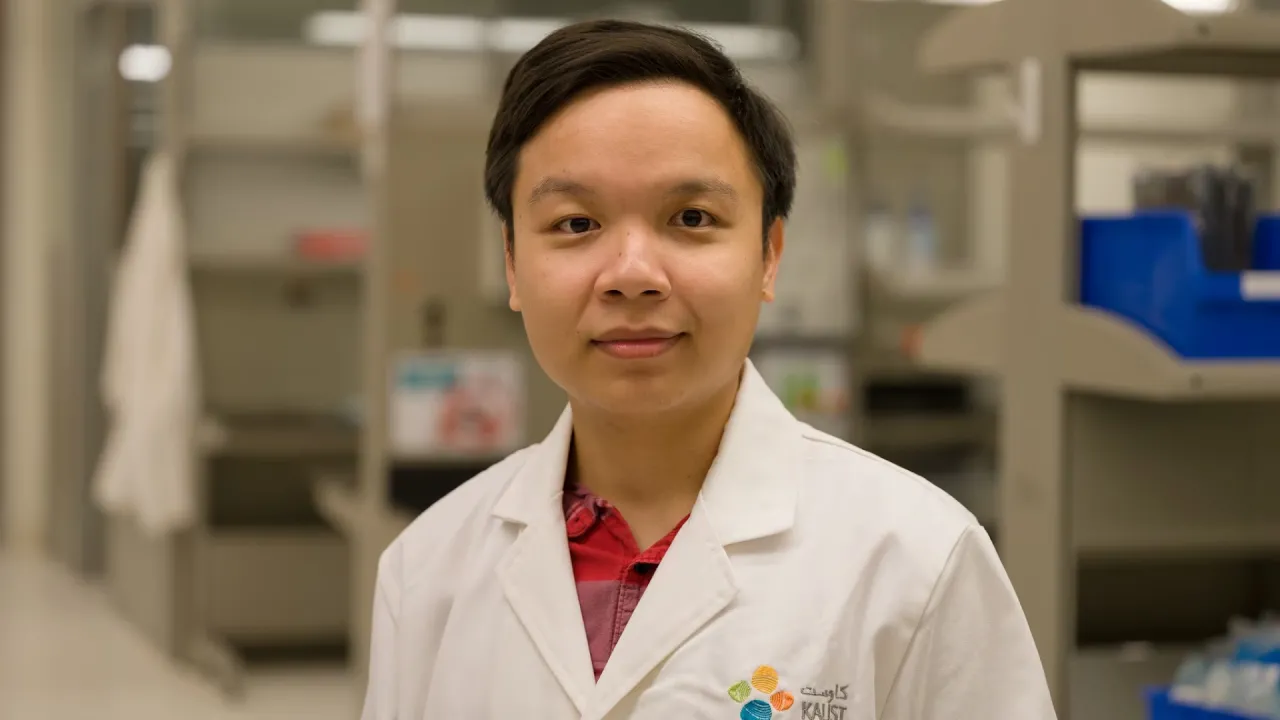
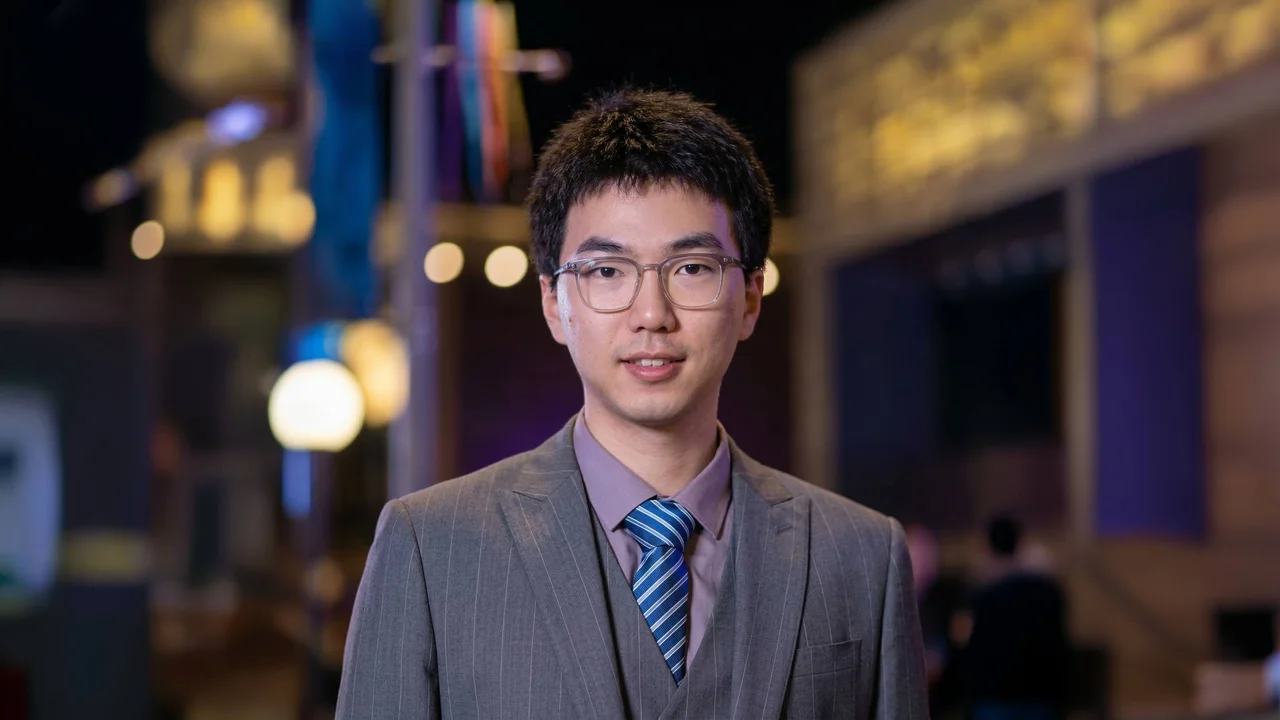
Tingang Liu is a Ph.D student in Electrical and Computer Engineering (ECE) at KAUST under the supervision of Prof. Xiaohang Li. He got his bachelor’s degree in 2022 from University of Electronics Science and Technology of China and his master’s degree in 2023 from King Abdullah University of Science and Technology.
Research Interests
Tingang's research focuses on ultra-wide bandgap Al-rich AlGaN based power devices for next generation power systems. He has experience on material epitaxy by MOCVD, various material characterization tools, and advanced device fabrication process.
Education
Biography
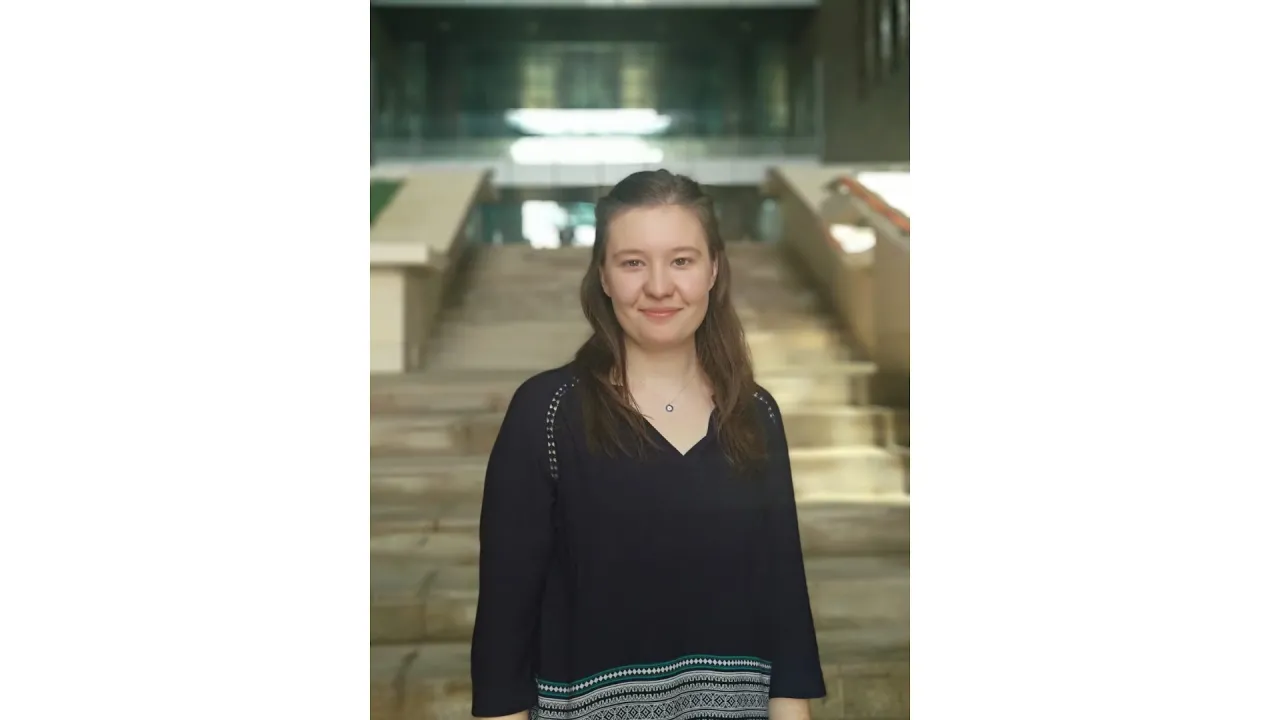
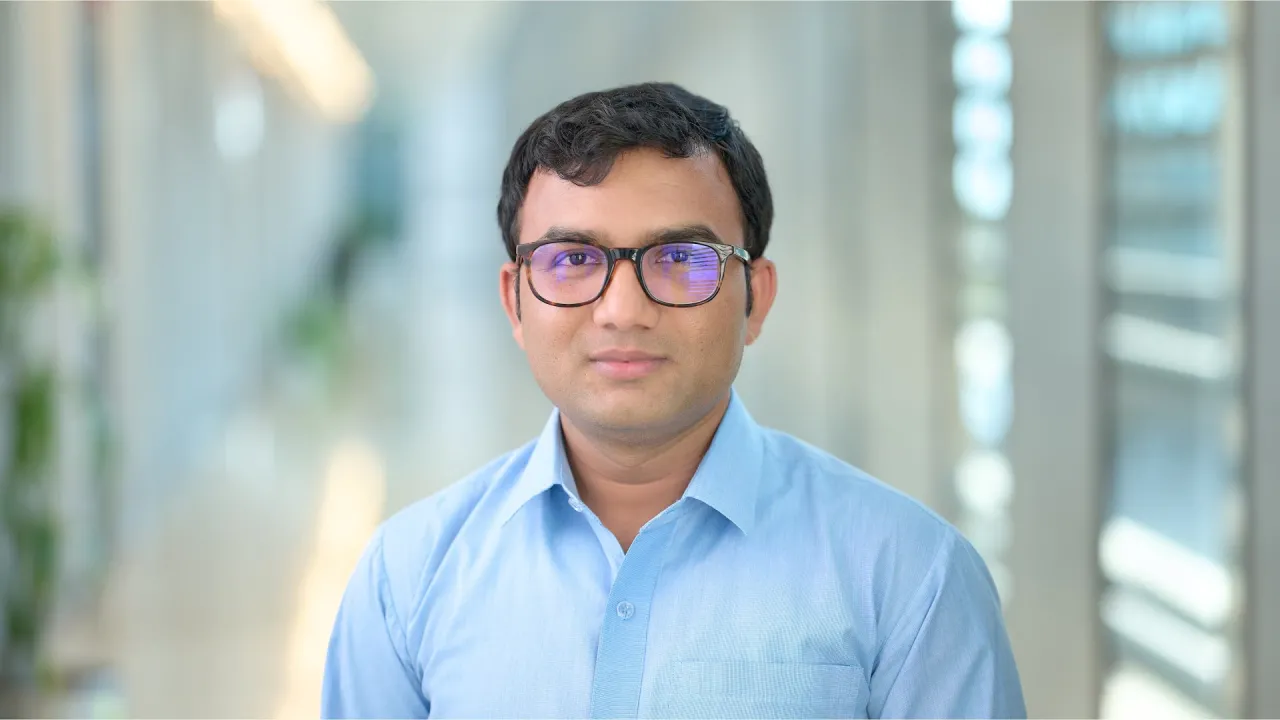
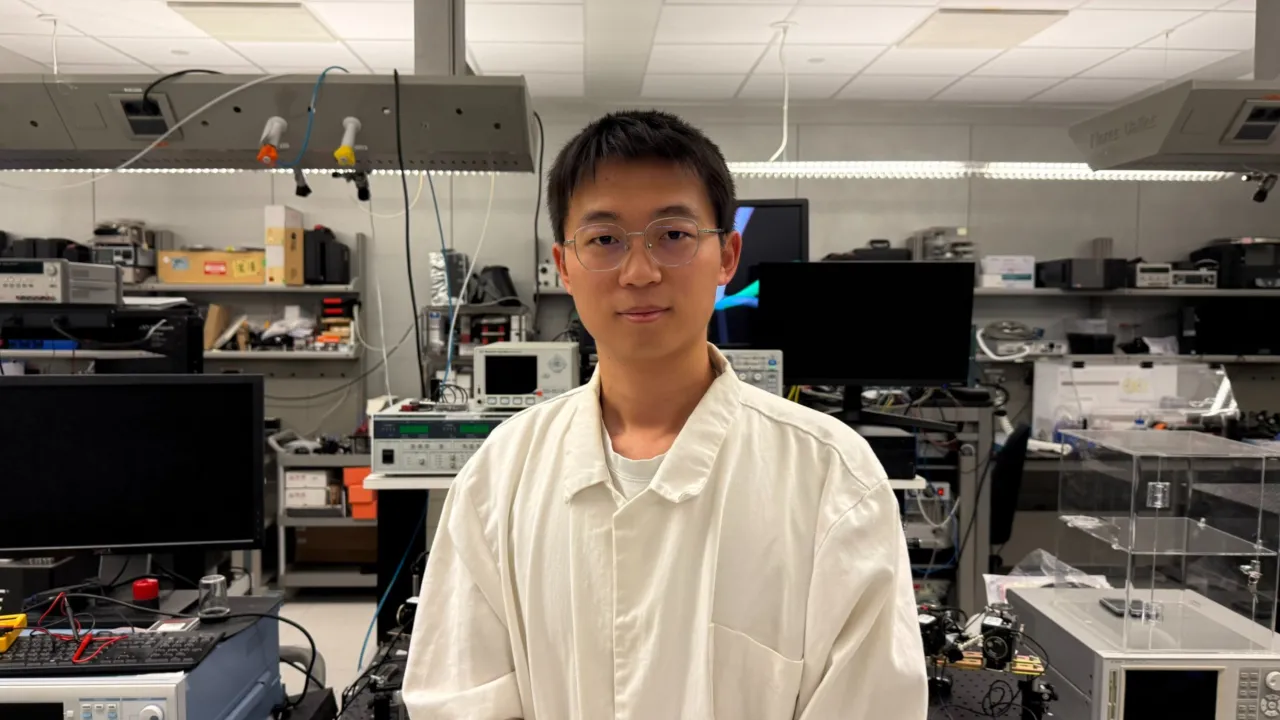
Wenbo Yan received the degree of Bachelor of Science in Material Science and Engineering in 2021 from South China University of Technology, Guangdong, China, and a master’s degree in Material Science and Engineering in 2022 from King Abdullah University of Science and Technology (KAUST), Thuwal, Saudi Arabia.He is now a Ph.D. student in the Photonics Laboratory at KAUST.
Research Interests
Photonics and optoelectronics, Solar energy

William He
- Ph.D. Student, Electrical and Computer Engineering
Biography
William He is a Ph.D. student at the Integrated Photonics Laboratory under the supervision of Prof. Yating Wan at King Abdullah University of Science and Technology (KAUST). Before joining KAUST, William did his undergraduate study in University of California, Santa Barbara (UCSB), ranked in the top ~10% and obtained Dean's Honors for his outstanding performance. William has actively participated in research since his second year in UCSB and has been a co-author of three high-quality journals. Besides academic research experiences, William has also been actively participating in several volunteer work, extracurricular activities, and one internship in Pacific Transformer Corporation in United States.
Research Interests
William's research interests include integrated Si photonics and its applications in data centers.